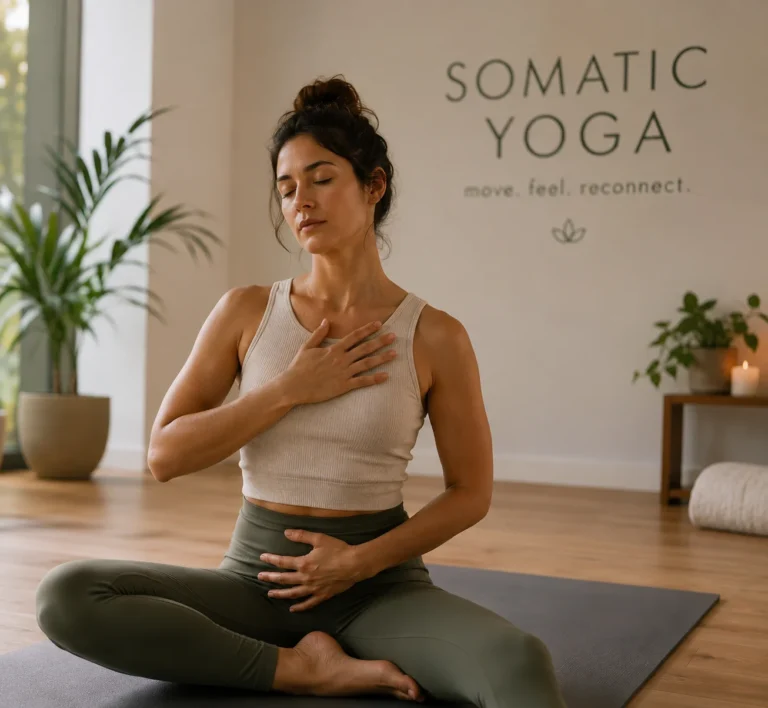
Somatic yoga is a gentle movement practice that combines traditional yoga principles with somatic awareness techniques focused on the connection between the mind and body. Unlike fast-paced fitness routines, somatic yoga emphasizes slow, intentional movements that help people release tension, improve body awareness, and regulate the nervous system.
In recent years, this practice has gained attention among people dealing with chronic stress, muscle tightness, trauma recovery, poor posture, and emotional burnout. Rather than forcing the body into demanding poses, somatic yoga encourages practitioners to move with curiosity, mindfulness, and comfort.
This article explores what somatic yoga is, how it works, its potential benefits, common techniques, and why many people are turning to it as a restorative wellness practice.
What Is Somatic Yoga?
Understanding the Meaning of “Somatic”
The word “somatic” comes from the Greek word soma, meaning “the living body.” In wellness and movement therapy, somatic practices focus on internal physical awareness rather than external appearance or performance.
Somatic yoga combines this body-awareness approach with breathing exercises, gentle yoga postures, and mindful movement patterns. Instead of concentrating on flexibility or athletic achievement, the goal is to notice sensations, tension, movement habits, and emotional responses within the body.
This inward focus makes somatic yoga feel very different from traditional fitness-centered yoga classes.
How Somatic Yoga Differs From Traditional Yoga
While traditional yoga styles such as Vinyasa or Power Yoga may involve challenging poses and continuous movement, somatic yoga moves more slowly and intentionally.
Practitioners are encouraged to pause frequently, breathe deeply, and explore how movements feel rather than trying to perfect a pose visually. Small motions often replace dramatic stretches, helping the nervous system feel safer and more relaxed.
This makes somatic yoga particularly appealing for beginners, older adults, people recovering from injury, or anyone experiencing chronic stress and physical tension.
The Core Principles Behind Somatic Yoga
Mind-Body Awareness
One of the central ideas in somatic yoga is that emotional stress and trauma can become stored in the body through muscular tension and movement patterns.
People often hold stress unconsciously in areas like the shoulders, neck, jaw, hips, or lower back. Over time, these habits may contribute to discomfort, stiffness, fatigue, or limited mobility.
Somatic movement practices aim to gently retrain the brain-body connection by helping people notice these patterns and release unnecessary tension.
Nervous System Regulation
Somatic yoga also places strong emphasis on calming the nervous system. Slow breathing, controlled movement, and mindful attention can activate the parasympathetic nervous system, often referred to as the body’s “rest and digest” mode.
Modern life frequently keeps people in a prolonged stress response, leading to mental exhaustion and physical tightness. Gentle somatic exercises may help reduce feelings of overwhelm by encouraging relaxation and grounding.
This is one reason somatic yoga is increasingly recommended alongside mindfulness practices and stress-management techniques.
Potential Benefits of Somatic Yoga
Relief From Muscle Tension and Pain
Many people try somatic yoga to ease chronic muscle tension, especially in the back, hips, neck, and shoulders. Unlike aggressive stretching, somatic movement focuses on slow muscular release and awareness.
Some practitioners report improvements in posture, mobility, and physical comfort after consistent practice. The gentle nature of the exercises also makes them accessible for people who may struggle with more intense workouts.
While somatic yoga is not a replacement for medical treatment, physical therapists and wellness professionals sometimes integrate similar movement principles into rehabilitation programs.
Improved Emotional Wellbeing
Because somatic yoga emphasizes internal awareness, many practitioners find it emotionally calming as well as physically restorative.
The combination of breathing, mindfulness, and gentle movement may help reduce anxiety, improve emotional regulation, and create a stronger sense of connection between body and mind.
For individuals recovering from burnout or emotional stress, the practice can feel less intimidating than traditional exercise routines that prioritize intensity and performance.
Better Mobility and Posture
Modern lifestyles often involve long hours sitting at desks, using phones, or staying physically inactive. These habits can contribute to stiffness and poor posture over time.
Somatic yoga encourages slow, conscious movement patterns that help improve mobility without placing excessive strain on joints or muscles.
By increasing awareness of body alignment and movement habits, practitioners may naturally begin sitting, standing, and walking more comfortably throughout daily life.
Common Somatic Yoga Techniques
Gentle Floor Movements
Many somatic yoga sessions begin with slow floor-based exercises that encourage relaxation and body awareness.
Movements may include pelvic tilts, spinal rolling, shoulder releases, or gentle hip rotations. These exercises are often repeated slowly so the nervous system can fully register the sensations involved.
The purpose is not to “push through” discomfort but to create a feeling of ease and safety within movement.
Conscious Breathing
Breathwork plays a major role in somatic yoga. Deep, controlled breathing helps relax muscles while also calming the nervous system.
Instructors frequently guide students to coordinate breath with movement, creating a meditative rhythm that enhances body awareness.
Breathing exercises may also help practitioners recognize how stress affects physical tension patterns throughout the body.
Mindful Stretching and Relaxation
Unlike intense flexibility training, somatic stretching focuses on comfort and awareness rather than maximum range of motion.
Practitioners are encouraged to notice subtle sensations and move within a pain-free range. Rest periods are also important, allowing the body time to integrate relaxation responses.
This slower pace can feel surprisingly powerful for people accustomed to high-intensity fitness culture.
Who Can Benefit From Somatic Yoga?
Beginners and Older Adults
Because the practice is low-impact and adaptable, somatic yoga works well for beginners or people returning to movement after long periods of inactivity.
Older adults often appreciate the gentle pace and focus on joint-friendly mobility. Classes can usually be modified based on comfort level and physical ability.
This accessibility makes the practice appealing across a wide range of ages and fitness backgrounds.
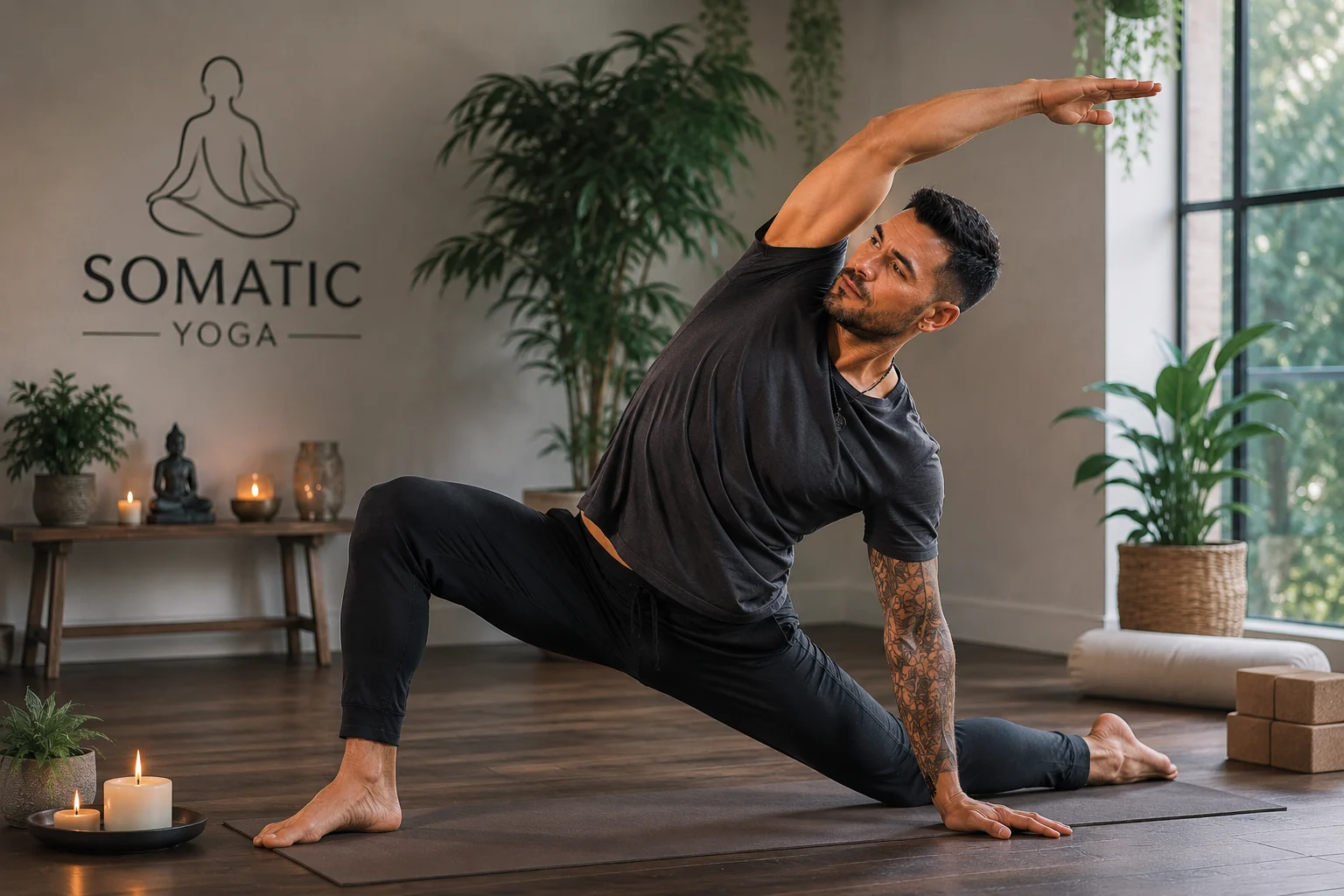
People Experiencing Stress or Burnout
Somatic yoga is especially popular among people experiencing chronic stress, emotional exhaustion, or nervous system dysregulation.
The slow, grounding nature of the practice creates a contrast to overstimulating modern routines filled with constant noise, multitasking, and digital distraction.
Many practitioners describe feeling calmer and more mentally clear after sessions, even when movements are physically subtle.
Individuals Recovering From Injury
Some physical therapists and rehabilitation specialists incorporate somatic-style movement into recovery programs for injury or chronic pain.
Because movements are controlled and mindful, the practice may help individuals rebuild confidence in their bodies after physical setbacks.
However, anyone with serious medical conditions or injuries should consult a qualified healthcare professional before starting a new movement routine.
Somatic Yoga vs Traditional Yoga
| Somatic Yoga | Traditional Yoga |
|---|---|
| Focuses on internal body awareness | Often focuses on posture alignment |
| Slow and gentle movement | Can range from gentle to intense |
| Emphasizes nervous system regulation | Often emphasizes flexibility and strength |
| Suitable for stress recovery | May involve physically demanding poses |
| Encourages exploration and comfort | May involve structured sequences |
Why Somatic Practices Are Becoming More Popular
A Response to Modern Stress
The growing popularity of somatic wellness practices reflects a wider shift in how people approach health and self-care.
Many individuals no longer want exercise routines built entirely around intensity, competition, or physical appearance. Instead, they are searching for practices that support emotional balance, stress reduction, and sustainable wellbeing.
Somatic yoga fits naturally into this movement because it prioritizes nervous system health alongside physical mobility.
Social Media and Wellness Culture
Platforms like YouTube and TikTok have also helped introduce somatic movement concepts to wider audiences.
Gentle movement routines, trauma-informed yoga practices, and nervous system regulation exercises now attract millions of views online. This visibility has increased public awareness of body-centered mindfulness practices that were once more niche.
However, experts still recommend learning from qualified instructors whenever possible, especially for people managing chronic pain or trauma-related conditions.
Frequently Asked Questions
Q: What is somatic yoga used for?
A: Somatic yoga is commonly used to improve body awareness, reduce stress, release muscle tension, and support nervous system regulation. Many people also use it to improve posture, mobility, and emotional wellbeing.
Q: Is somatic yoga good for beginners?
A: Yes. Somatic yoga is considered beginner-friendly because it focuses on gentle movements, mindful breathing, and comfort rather than advanced poses or intense physical performance.
Q: Can somatic yoga help with anxiety?
A: Some practitioners find somatic yoga helpful for managing stress and anxiety because slow movement and breathing exercises may calm the nervous system. However, it should not replace professional mental health treatment when needed.
Q: How is somatic yoga different from regular yoga?
A: Somatic yoga places greater emphasis on internal awareness and nervous system relaxation, while traditional yoga styles may focus more on strength, flexibility, posture, or fitness.
Q: Do you need equipment for somatic yoga?
A: Most somatic yoga sessions require very little equipment. A yoga mat, comfortable clothing, and a quiet space are usually enough for beginners to start practicing safely.
Conclusion
Somatic yoga offers a gentler and more mindful approach to movement, blending yoga principles with deep body awareness and nervous system support. Rather than chasing perfect poses or intense workouts, the practice encourages people to slow down, notice tension patterns, and reconnect with how their bodies truly feel.
Its growing popularity reflects a broader shift toward wellness practices that prioritize emotional balance, stress relief, and sustainable health. From beginners and older adults to individuals recovering from burnout or chronic tension, many people are discovering that small, mindful movements can have a surprisingly powerful impact.