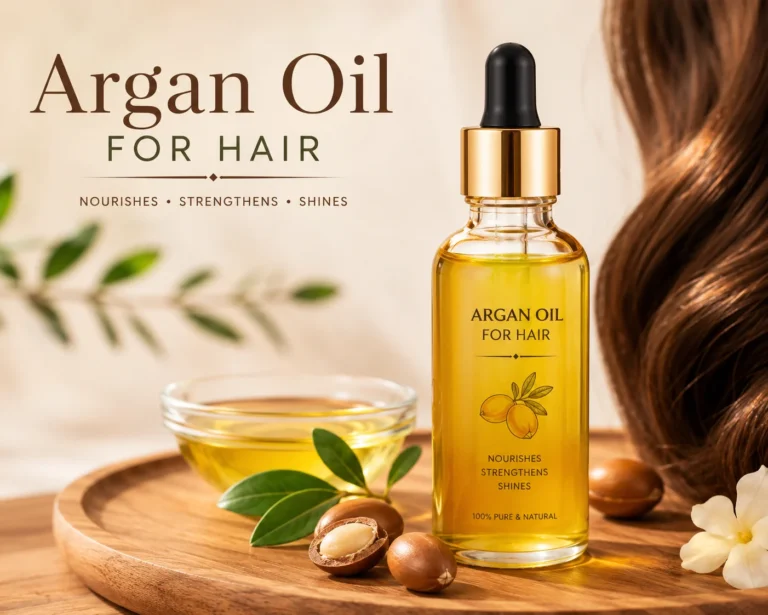
argan oil for hair has become one of the most popular natural hair care ingredients in the beauty industry. Often referred to as “liquid gold,” this nutrient-rich oil is extracted from the kernels of the argan tree, which is native to Morocco. For centuries, Moroccan communities have used argan oil for skincare, cooking, and hair care, valuing its moisturizing and nourishing properties.
Today, argan oil can be found in shampoos, conditioners, hair masks, serums, and leave-in treatments worldwide. Its popularity stems from its ability to improve hair softness, shine, and manageability while helping protect strands from everyday damage.
Whether you struggle with dry hair, frizz, split ends, or dullness, argan oil may offer a simple and effective solution. This comprehensive guide explores the benefits of argan oil for hair, how it works, the best ways to use it, and what to consider before adding it to your hair care routine.
What Is Argan Oil?
Argan oil is a plant-based oil extracted from the kernels of the argan tree (Argania spinosa), which grows primarily in Morocco.
The oil contains a variety of beneficial compounds,argan oil for hair including:
- Vitamin E
- Fatty acids
- Antioxidants
- Polyphenols
- Squalene
- Natural moisturizing agents
These nutrients contribute to its reputation as a highly effective hair and skin treatment.
Because of its rich composition, argan oil is commonly used to nourish, protect, and improve the appearance of hair.
Why Argan Oil Is Popular for Hair Care
Hair is exposed to numerous stressors every day.
These include:
- Heat styling tools
- Sun exposure
- Pollution
- Chemical treatments
- Hair coloring
- Excessive washing
Over time, these factors can weaken hair, causing dryness, breakage, and loss of shine.
Argan oil helps address many of these issues by providing moisture and creating a protective coating around hair strands.
Its lightweight texture also makes it suitable for a wide variety of hair types.
Benefits of Argan Oil for Hair
Deep Hydration and Moisture
One of the most significant benefits of argan oil is its ability to hydrate dry hair.
The fatty acids present in argan oil help lock moisture into the hair shaft,argan oil for hair reducing dryness and improving softness.
People with damaged or chemically treated hair often notice that regular use helps restore a healthier appearance.
Hydrated hair is generally smoother, more manageable, and less prone to breakage.
Reduces Frizz
Frizz often occurs when hair lacks moisture or becomes damaged.
Argan oil helps smooth the outer layer of the hair, known as the cuticle, which can reduce flyaways and frizz.
This benefit is particularly valuable in humid climates where hair tends to become difficult to manage.
Many people use a small amount of argan oil as a finishing product to create a polished look.
Adds Shine
Healthy hair naturally reflects light.
When hair becomes dry or damaged, it can lose its shine and appear dull.
Argan oil helps restore luster by smoothing the hair surface and improving moisture levels.
Unlike some heavier oils, argan oil can provide shine without leaving hair looking excessively greasy when used correctly.
Helps Protect Against Heat Damage
Heat styling tools such as straighteners, curling irons, and blow dryers can weaken hair over time.
Argan oil forms a light protective layer around the hair shaft, helping reduce moisture loss during styling.
While it should not replace dedicated heat protectant products in all situations, it can provide an additional layer of protection against daily heat exposure.
Improves Hair Manageability
Tangled and difficult-to-style hair can benefit from argan oil’s smoothing properties.
The oil helps reduce friction between strands, making brushing and styling easier.
As a result, hair often feels softer and appears more controlled throughout the day.
This benefit is especially appreciated by people with long, thick, or textured hair.
May Help Reduce Breakage
Hair breakage is often linked to dryness and weakened strands.
Because argan oil helps maintain moisture and flexibility, it may reduce the likelihood of hair snapping during brushing or styling.
Stronger, more resilient hair is less likely to develop split ends and visible damage.
Argan Oil and Scalp Health
Moisturizing the Scalp
A dry scalp can lead to discomfort, itching, and flaking.
Argan oil’s moisturizing properties may help soothe dry scalp conditions by supporting hydration.
Applying small amounts to the scalp can improve comfort and help maintain a healthier scalp environment.
Antioxidant Benefits
Argan oil contains antioxidants that help protect against environmental stressors.
Although more research is needed to fully understand its effects on scalp health, these compounds may support overall skin wellness.
A healthy scalp creates a better environment for healthy-looking hair.
Supporting Hair Appearance
While argan oil is not a proven treatment for hair loss, healthy scalp conditions can contribute to improved hair appearance.
Maintaining moisture balance and reducing irritation may help hair look fuller and healthier.
Who Can Benefit From Argan Oil?
Dry Hair
People with dry hair often experience the most noticeable improvements.
Argan oil provides moisture and softness that help restore a healthier look and feel.
Curly Hair
Curly hair tends to lose moisture more easily than straight hair.
Argan oil can help define curls, reduce frizz, and improve manageability without weighing hair down.
Color-Treated Hair
Chemical treatments can leave hair fragile and dehydrated.
Argan oil helps replenish moisture and improve shine, making it a popular choice for color-treated hair.
Thick Hair
Thicker hair types often benefit from argan oil’s ability to smooth and soften strands.
The oil can help make styling easier while reducing puffiness and frizz.
Damaged Hair
Hair exposed to frequent heat styling, bleaching, or environmental stress may benefit from regular argan oil treatments.
Its moisturizing and protective properties can improve overall appearance and texture.
How to Use Argan Oil for Hair
As a Leave-In Treatment
One of the most common methods is applying a small amount to damp hair after washing.
Steps
- Wash and towel-dry hair.
- Place a few drops of argan oil in your palms.
- Rub hands together.
- Distribute evenly through the mid-lengths and ends.
- Style as usual.
This method helps control frizz and add shine.
As a Hair Mask
For deeper conditioning, argan oil can be used as a hair mask.
Steps
- Apply a generous amount to hair.
- Focus on dry or damaged areas.
- Leave for 30 minutes to several hours.
- Wash thoroughly with shampoo.
Many people perform this treatment once weekly.
Before Heat Styling
Applying a small amount before blow-drying can help smooth hair and reduce moisture loss.
Be careful not to use excessive amounts, as this may make hair appear oily.
As a Finishing Serum
After styling, a few drops can be used to enhance shine and tame flyaways.
This technique is especially useful for formal hairstyles and polished looks.
Common Mistakes to Avoid
Using Too Much Oil
More is not always better.
Excessive argan oil can leave hair greasy and weighed down.
Start with a small amount and add more only if necessary.
Applying Directly to Roots
Unless treating the scalp, most people should focus on mid-lengths and ends.
Applying large amounts near the roots can create an oily appearance.
Expecting Instant Repair
Argan oil improves hair appearance and condition over time, but it cannot permanently repair severely damaged hair.
Consistent use generally delivers the best results.
Argan Oil vs Other Hair Oils
Argan Oil vs Coconut Oil
Argan oil is lighter and absorbs more quickly.
Coconut oil tends to provide deeper conditioning but may feel heavier on fine hair.
Argan Oil vs Jojoba Oil
Jojoba oil closely resembles the skin’s natural oils.
Argan oil generally offers more vitamin E and stronger moisturizing benefits.
Argan Oil vs Castor Oil
Castor oil is much thicker and often used for scalp treatments.
Argan oil is lighter and better suited for daily use and styling.
Potential Side Effects
Argan oil is generally considered safe for most users.
However, some individuals may experience:
- Allergic reactions
- Scalp irritation
- Product buildup
- Excessive oiliness
Performing a patch test before first use is recommended, especially for sensitive skin.
Frequently Asked Questions
Q: Is argan oil good for hair?
A: Yes. Argan oil can help improve moisture, shine, softness, and manageability while reducing frizz and helping protect against everyday damage.
Q: Can argan oil help hair grow faster?
A: There is no strong evidence that argan oil directly increases hair growth, but healthier hair and scalp conditions may improve overall hair appearance.
Q: How often should I use argan oil on my hair?
A: Most people use it several times per week, while others apply small amounts daily depending on hair type and needs.
Q: Is argan oil suitable for oily hair?
A: Yes, when used sparingly. A small amount can add shine and smoothness without making hair excessively greasy.
Q: Can I leave argan oil in my hair overnight?
A: Yes. Many people use argan oil as an overnight conditioning treatment before washing it out the next morning.
Conclusion
Argan oil has earned its reputation as one of the most effective natural hair care ingredients available today. Rich in vitamin E, antioxidants, and essential fatty acids, it offers multiple benefits, including hydration, frizz control, improved shine, enhanced manageability, and protection from everyday damage. Its lightweight texture makes it suitable for a wide range of hair types, from fine and straight to thick and curly.
Whether used as a leave-in treatment, hair mask, styling aid, or finishing serum, argan oil can become a valuable addition to a healthy hair care routine. When applied correctly and consistently, it helps promote softer, smoother, and healthier-looking hair while supporting overall scalp and strand health.