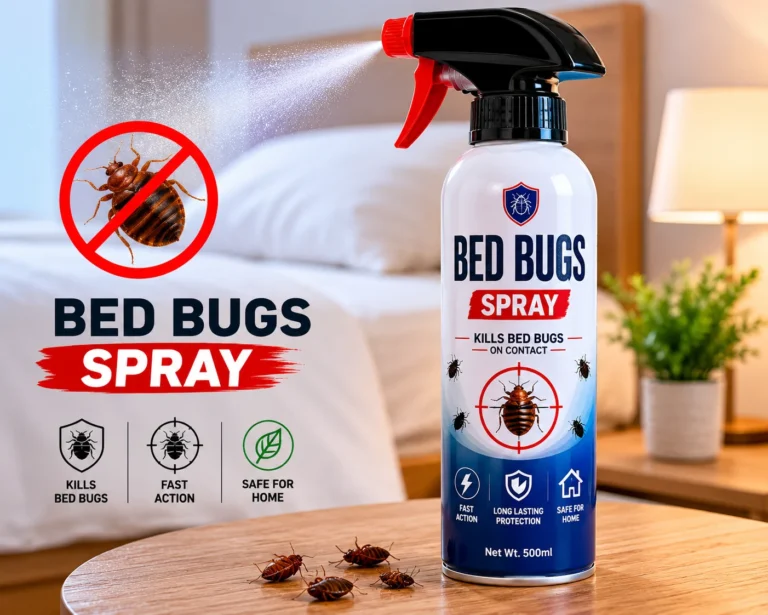
bed bugs spray infestations can quickly turn a comfortable home into a stressful environment. These tiny pests hide in mattress seams, furniture joints, cracks,bed bugs spray, and other hard-to-reach places, making them difficult to eliminate. One of the most common solutions homeowners consider is a bed bugs spray.
A quality bed bug spray can kill bed bugs on contact and, depending on the product, may continue working for weeks after application. However, sprays are most effective when used as part of a broader treatment strategy that includes cleaning, vacuuming, bed bugs spray,washing fabrics at high temperatures, and monitoring for reinfestation. Experts generally recommend combining multiple control methods rather than relying solely on a spray.
What Is a Bed Bugs Spray?
A bed bugs spray is an insecticide or pest-control solution specifically designed to kill bed bugs and, in some cases, their eggs. These sprays are available in chemical, synthetic, and plant-based formulations.
Most products are designed to be applied directly to common hiding places such as:
- Mattress seams
- Bed frames
- Headboards
- Baseboards
- Furniture joints
- Cracks and crevices
- Upholstered furniture
Many modern sprays target both adult bed bugs and eggs, bed bugs spray,helping reduce future infestations.
How Bed Bug Sprays Work
Contact Kill Sprays
Contact sprays kill bed bugs when the insect comes into direct contact with the product. These products provide immediate results but often have limited residual protection.
They are useful when you can clearly identify where bed bugs are hiding. However, bed bugs spray frequently conceal themselves deep inside furniture and wall cracks, making complete elimination challenging.
Residual Sprays
Residual sprays continue working after application. When bed bugs crawl across treated surfaces, they absorb the insecticide and die later.
Some foaming sprays claim to remain effective on treated surfaces for several weeks, helping control newly emerging bed bugs that were hidden during the initial treatment.
Types of Bed Bug Sprays
Chemical Insecticide Sprays
These products use active ingredients specifically formulated to kill bed bugs. Many professional-grade options are designed to work against insecticide-resistant strains.
Chemical sprays often provide stronger residual protection and are commonly used by pest-control professionals. Proper application according to label instructions is essential for safety and effectiveness.bed bugs spray.
Natural and Plant-Based Sprays
Some sprays rely on plant-derivedbed bugs spray, ingredients and essential oils. These products appeal to people looking for alternatives to traditional pesticides.
However, research has found that many essential-oil-based products are less effective than professional insecticides. While some formulations may help repel or kill bed bugs, results vary significantly between products.
Foaming Bed Bug Sprays
Foaming sprays expand after application, allowing the treatment to penetrate cracks and crevices where bed bugs often hide.
Several manufacturers market foam-based products specifically for mattresses, furniture, carpets, and bed frames. These sprays can also help users see exactly where treatment has been applied.
How to Use Bed Bugs Spray Correctly
Step 1: Identify Infested Areas
Before spraying, inspect:
- Mattress seams
- Box springs
- Bed frames
- Upholstered furniture
- Baseboards
- Electrical outlet areas
- Cracks and wall joints
Finding the source of the infestation increases the effectiveness of treatment.
Step 2: Clean the Room
Wash bedding, curtains, and clothing in hot water and dry them at high temperatures. Vacuum mattresses, furniture, and floors thoroughly.
Cleaning removes many bugs and eggs before chemical treatment begins.
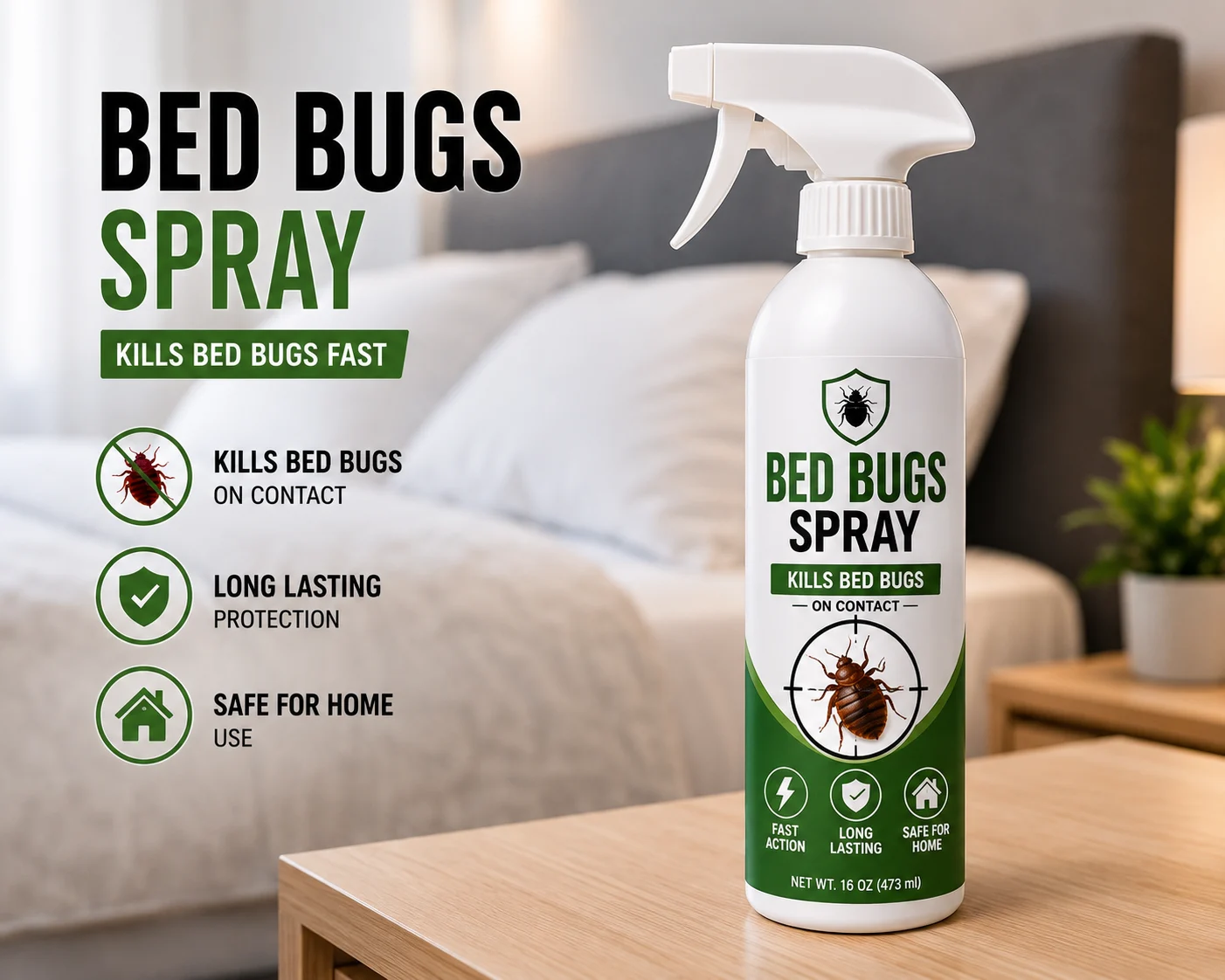
Step 3: Apply the Spray
Follow all product instructions carefully. Most products recommend treating:
- Mattress seams
- Furniture joints
- Bed frames
- Baseboards
- Cracks and crevices
Avoid overapplying the product. More spray does not necessarily mean better results.
Step 4: Monitor and Repeat
Bed bug eggs can hatch after treatment. Follow-up applications may be necessary depending on the product instructions and infestation severity.
Many professional exterminators perform multiple treatments several weeks apart to ensure complete control.
Common Mistakes to Avoid
Using Spray Alone
One of the biggest mistakes homeowners make is relying solely on a spray. Bed bugs are skilled at hiding and can survive in areas that are never treated.
Successful control typically combines:
- Vacuuming
- Heat treatment
- Laundry sanitation
- Mattress encasements
- Insecticide application
- Ongoing monitoring
Ignoring Hidden Areas
Treating only visible surfaces often leaves significant portions of the infestation untouched. Bed bugs commonly hide inside furniture, behind headboards, and within wall cracks.
Choosing Ineffective Products
Not all bed bug sprays perform equally. Some natural sprays may offer limited effectiveness compared with professionally tested formulations. Always review product labels and treatment instructions before purchasing.
Can Bed Bug Spray Eliminate an Entire Infestation?
For very small infestations caught early, a quality spray combined with thorough cleaning may solve the problem. However, larger infestations often require multiple treatment methods.
Pest-control experts frequently recommend professional assistance when infestations spread beyond a single room. Professional treatments may include advanced insecticides, heat treatments, steam applications, and ongoing monitoring.
Frequently Asked Questions
Q: Does bed bug spray kill eggs?
A: Some bed bug sprays are specifically formulated to kill both bed bugs and their eggs. Always check the product label because not every spray provides ovicidal (egg-killing) protection.
Q: Can I spray my mattress directly?
A: Certain products are approved for mattress use, while others are not. Always follow the manufacturer’s instructions and safety guidelines before applying any insecticide to a sleeping surface.
Q: How long does bed bug spray continue working?
A: Depending on the formulation, some residual sprays can remain effective for several weeks after application. Product performance varies by brand and treated surface.
Q: Are natural bed bug sprays effective?
A: Some natural products may help control bed bugs, but research suggests that many essential-oil-based sprays are less effective than professional insecticides.
Q: When should I call a professional?
A: If bed bugs continue appearing after treatment, spread to multiple rooms, or return repeatedly, professional pest-control services are often the most effective solution.
Conclusion
A bed bugs spray can be an important tool in the fight against bed bugs, especially when infestations are discovered early. The most effective products kill bed bugs on contact and provide residual protection against hidden pests. However, sprays work best when combined with cleaning, hot washing, vacuuming, and careful monitoring. Understanding how these products work and using them correctly can significantly improve your chances of eliminating bed bugs and preventing future infestations.