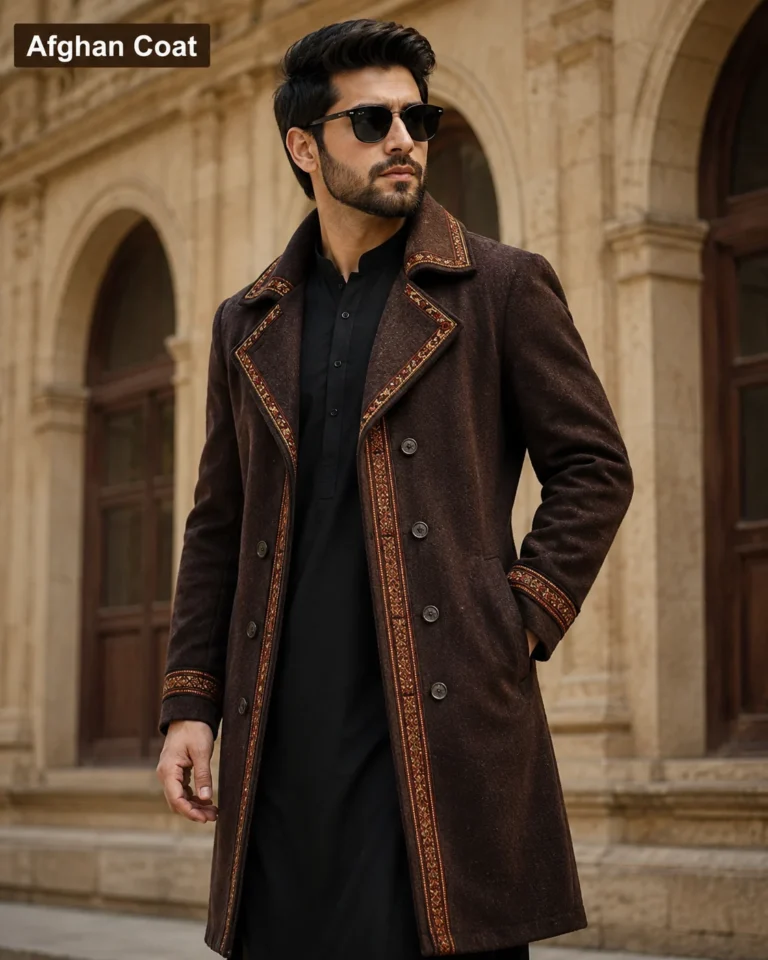
The Afghan coat is one of fashion’s most recognizable vintage outerwear pieces. Known for its luxurious sheepskin construction, distinctive embroidery, and bohemian aesthetic, the coat became a defining symbol of 1960s and 1970s counterculture fashion. Decades after its peak popularity, it continues to attract fashion enthusiasts, vintage collectors, and designers who appreciate its unique blend of craftsmanship, warmth, and timeless style.
Originally inspired by traditional garments from Afghanistan and neighboring regions, the Afghan coat evolved into an international fashion statement. Worn by musicians, actors, and trendsetters, it became closely associated with the bohemian movement and remains a sought-after vintage item today.
Whether you’re interested in its cultural origins, styling possibilities, or investment value in the vintage market, this guide explores everything you need to know about the iconic Afghan coat.
What Is an Afghan Cot?
An Afghan cot is a long or mid-length outerwear garment traditionally made from sheepskin or suede with a soft wool lining. The coat is often decorated with intricate embroidery around the collar, cuffs, seams, and front panels.
Its distinctive appearance combines practicality with artistic detail. The natural wool interior provides insulation against cold weather, while decorative stitching and handcrafted elements give each piece a unique personality.
Although modern versions may use alternative materials, authentic vintage Afghan coats are typically made from genuine sheepskin and handcrafted using traditional techniques.
History of the Afghan Cot
Traditional Origins
The roots of the Afghan cot can be traced to traditional outerwear worn in Afghanistan and parts of Central Asia. These garments were designed to provide warmth in mountainous climates while showcasing local craftsmanship through embroidery and decorative detailing.
For centuries, sheepskin cots served practical purposes among rural communities. The natural materials offered durability and protection from harsh weather conditions.
As international travel increased during the mid-20th century, Western visitors encountered these traditional garments and began bringing them back to Europe and North America.
Arrival in Western Fashion
The Afghan coat gained popularity in Western countries during the 1960s.
Travelers participating in the so-called “hippie trail” journey through Asia often returned with handcrafted clothing and textiles. Afghan coats quickly attracted attention because of their exotic appearance and artisan quality.
Fashion-conscious consumers embraced these coats as alternatives to conventional outerwear, helping create a growing demand for imported pieces.
The 1970s Fashion Boom
By the early 1970s, the Afghan cat had become a mainstream fashion phenomenon.
Celebrities, musicians, and cultural icons regularly wore Afghan coats in public appearances, concerts, and magazine photoshoots. Their association with artistic freedom, individuality, and bohemian style made them highly desirable.
During this period, many fashion brands introduced their own interpretations, further expanding the coat’s popularity across Europe and North America.
Key Features of an Afghan Cot
Sheepskin Construction
One of the defining characteristics of an Afghan coat is its sheepskin construction.
Traditional versions use suede or leather on the exterior and natural wool on the interior. This combination creates a garment that is both stylish and highly functional during cold weather.
The natural insulation provided by wool remains one of the reasons authentic Afghan coats continue to be valued today.
Decorative Embroidery
Embroidery is another signature element.
Hand-stitched floral, geometric, or ornamental patterns often decorate:
- Collars
- Front panels
- Sleeves
- Cuffs
- Hemlines
The embroidery contributes significantly to the coat’s visual appeal and helps distinguish authentic pieces from mass-produced alternatives.
Distinctive Silhouette
Most Afghan coats feature a relaxed, slightly oversized silhouette.
This design complements layered outfits and enhances the garment’s casual, effortless appearance. The combination of structured sheepskin and soft wool lining creates a distinctive shape that remains instantly recognizable.
Why Afghan Coats Became Fashion Icons
Connection to Counterculture
The Afghan coat became strongly associated with the counterculture movement of the 1960s and 1970s.
Many young people viewed the garment as a symbol of individuality and rejection of mainstream fashion norms. Its handcrafted nature aligned perfectly with the era’s appreciation for authenticity and artisanal craftsmanship.
As a result, the coat became a staple of bohemian wardrobes worldwide.
Celebrity Influence
Numerous musicians and entertainers helped popularize the Afghan coat.
John Lennon, David Bowie, and Mick Jagger were among the famous figures frequently associated with Afghan-inspired outerwear during the era.
Their influence helped transform the garment from a niche import into a globally recognized fashion item.
Timeless Vintage Appeal
Unlike many short-lived trends, Afghan coats have maintained their appeal for decades.
Vintage fashion enthusiasts continue seeking authentic examples because of their craftsmanship, rarity, and historical significance.
The coat’s enduring popularity demonstrates its ability to transcend changing fashion cycles.
Types of Afghan Coats
Traditional Sheepskin Afghan Coat
The classic version remains the most recognizable style.
These coats typically feature genuine sheepskin, natural wool lining, and hand-embroidered decorative elements. Authentic vintage examples are particularly prized by collectors.
Embroidered Suede Afghan Coat
Some versions use suede rather than full sheepskin construction.
These coats often emphasize decorative embroidery while offering a lighter-weight alternative suitable for milder climates.
Modern Designer Interpretations
Contemporary fashion designers frequently reinterpret Afghan coat aesthetics.
Modern versions may include:
- Faux shearling materials
- Sustainable fabrics
- Updated tailoring
- Minimalist embroidery
- Contemporary color palettes
These adaptations allow new generations to enjoy the style while accommodating modern fashion preferences.
How to Style an Afghan Cot
Casual Everyday Look
An Afghan coat pairs naturally with casual clothing.
Popular combinations include:
- Straight-leg jeans
- Knit sweaters
- Leather boots
- Simple T-shirts
This approach allows the coat to remain the focal point of the outfit.
Bohemian-Inspired Outfit
For a classic boho appearance, combine the coat with flowing fabrics and textured accessories.
Consider pairing it with:
- Wide-leg trousers
- Patterned scarves
- Layered jewelry
- Suede boots
This styling approach reflects the coat’s historical association with free-spirited fashion.
Contemporary Minimalist Style
Modern fashion enthusiasts often contrast vintage outerwear with minimalist basics.
A neutral Afghan coat can work surprisingly well with monochromatic outfits, creating a balanced look that feels both contemporary and timeless.
Buying a Vintage Afghan Coat
Check Material Quality
When purchasing a vintage Afghan coat, examine the sheepskin carefully.
High-quality examples should feel soft, supple, and well-maintained. Excessive cracking or dryness may indicate age-related deterioration.
Inspect Embroidery
Hand embroidery often contributes significantly to a coat’s value.
Look for intact stitching and original decorative details. Authentic craftsmanship can greatly enhance collectability.
Evaluate Condition
Vintage garments naturally show signs of wear, but structural integrity remains important.
Pay attention to:
- Seams
- Buttons
- Closures
- Wool lining
- Collar condition
A well-preserved coat generally offers better long-term value.
Afghan Cot in Modern Fashion
Sustainability and Vintage Shopping
Growing interest in sustainable fashion has increased demand for vintage clothing.
Many consumers appreciate Afghan coats because purchasing vintage garments reduces reliance on new manufacturing while preserving traditional craftsmanship.
Designer Inspiration
Luxury brands continue drawing inspiration from Afghan coat aesthetics.
Elements such as shearling collars, embroidered detailing, and oversized silhouettes frequently appear in modern collections, demonstrating the garment’s ongoing influence.
Social Media Revival
Fashion platforms and vintage communities have introduced Afghan coats to younger audiences.
As vintage fashion continues gaining popularity online, these iconic coats regularly appear in styling guides, editorials, and influencer content.
Frequently Asked Questions
Q: What is an Afghan cot?
A: An Afghan cot is a sheepskin or suede outerwear garment featuring wool lining and decorative embroidery, traditionally inspired by clothing from Afghanistan and Central Asia.
Q: Why are Afghan coats famous?
A: They became famous during the 1960s and 1970s because of their association with bohemian fashion, counterculture movements, and celebrity style.
Q: Are Afghan coats warm?
A: Yes. Authentic Afghan coats are typically made from sheepskin with natural wool lining, providing excellent insulation during cold weather.
Q: Are vintage Afghan coats valuable?
A: High-quality vintage examples can be valuable, especially if they feature authentic craftsmanship, original embroidery, and good overall condition.
Q: Can Afghan coats still be worn today?
A: Absolutely. Many fashion enthusiasts incorporate Afghan coats into modern wardrobes, combining vintage charm with contemporary styling.
Conclusion
The Afghan co t remains one of the most iconic pieces of vintage outerwear ever created. Combining traditional craftsmanship, practical warmth, and unmistakable style, it has maintained its appeal across generations. From its origins in Afghanistan to its rise as a symbol of 1970s bohemian fashion, the coat represents a unique blend of culture, artistry, and functionality. Whether you’re a vintage collector, fashion enthusiast, or simply searching for a distinctive winter garment, the Afghan coat continues to offer timeless appeal that few other outerwear styles can match.