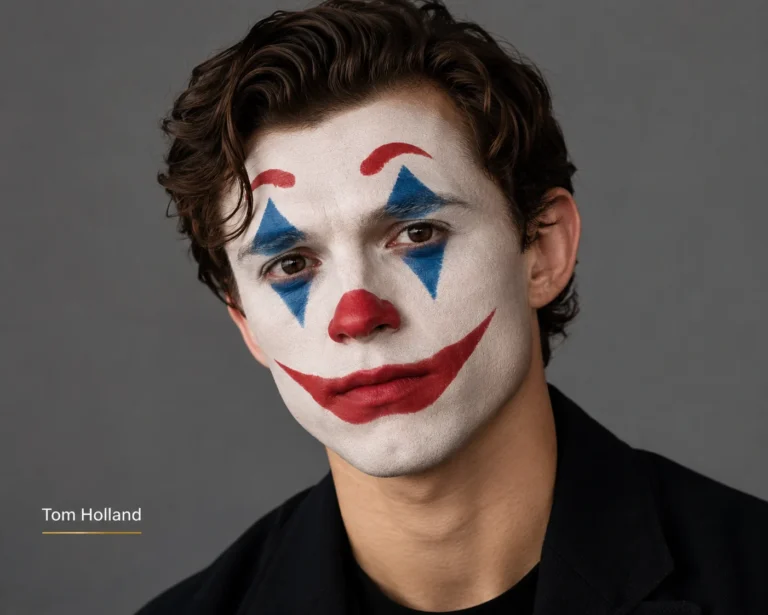
Clown makeup is one of the most recognizable and versatile forms of face painting in the world. From colorful circus performers and children’s entertainers to dramatic theatrical characters and terrifying Halloween villains, clown makeup can be adapted to suit virtually any style or occasion.
For generations, clowns have used makeup to create memorable characters that evoke laughter, wonder, excitement, and sometimes even fear. The design of clown makeup allows performers to exaggerate facial expressions, create unique identities, and connect with audiences in powerful ways.
Today, clown makup remains popular not only among professional performers but also among makeup artists, cosplayers, Halloween enthusiasts, and social media creators. Whether you’re aiming for a cheerful circus clown, a vintage clown look, or a chilling horror-inspired character, understanding the basics of clown makup can help you achieve impressive results.
What Is Clown Makup?
Clown makeup is a specialized style of face painting designed to transform a person’s appearance into a clown character. Unlike everyday makeup, clown makeup typically uses bold colors, exaggerated features, and artistic designs to create a highly expressive face.
Traditional clown makeup often includes:
- White face paint
- Bright red lips
- Exaggerated eyebrows
- Colorful eye designs
- Painted nose details
- Decorative shapes and patterns
The specific design depends on the type of clown being portrayed and the intended mood of the character.
The History of Clown Makup
Origins in Performance Art
The roots of clown makeup can be traced back centuries to theatrical traditions in Europe. Early performers used makeup to make facial expressions visible to large audiences before modern lighting and sound systems existed.
These exaggerated facial designs allowed audiences to understand emotions and character traits from a distance.
Over time, clown makeup evolved into a unique artistic tradition with distinct styles and techniques.
Circus Clowns and Modern Popularity
The rise of traveling circuses in the 19th century helped establish many of the clown makeup styles recognized today.
Performers developed personalized makeup designs that became their visual trademarks. Audiences could instantly recognize favorite clowns based on their facial makeup alone.
This tradition continues among many professional clowns and entertainers.
Influence on Contemporary Makeup
Modern clown makeup has influenced numerous areas of entertainment, including:
- Theater
- Film
- Television
- Halloween costumes
- Cosplay
- Special effects makeup
Its impact can be seen across both family-friendly entertainment and horror genres.
Types of Clown Makup
Classic Whiteface Clown
The Whiteface clown is one of the oldest and most recognizable clown styles.
This look typically features:
- Full white facial coverage
- Bright red lips
- Defined eyebrows
- Colorful accents
Whiteface clowns often portray elegant, artistic, or authoritative clown characters.
Their makep tends to be highly detailed and symmetrical.
Characteristics
Whiteface clown makup is known for its polished appearance and strong visual impact.
Many professional circus performers use variations of this style.
Auguste Clown
The Auguste clown is generally more playful and comedic.
Unlike the Whiteface clown, the Auguste typically leaves portions of the natural skin tone visible.
Features often include:
- Red nose
- Bright colors
- Large smile
- Exaggerated eye designs
This style is associated with humor, clumsiness, and energetic performances.
Popular Appeal
The Auguste style is frequently chosen by beginners because it allows greater creative flexibility and requires less full-face coverage.
Character Clown
Character clowns create unique personalities through makeup and costume design.
Examples include:
- Tramp clowns
- Hobo clowns
- Storybook characters
- Themed entertainers
These designs often tell a story and reflect the clown’s specific role or personality.
Creative Freedom
Character clown makeup allows artists to experiment with different colors, shapes, and concepts.
This flexibility makes it popular among performers and costume enthusiasts.
Scary Clown Makeup
Scary clown makeup has become particularly popular during Halloween and horror-themed events.
Inspired by movies, literature, and haunted attractions, these designs transform the traditionally cheerful clown into something unsettling.
Common features include:
- Dark eye makeup
- Sharp teeth effects
- Smudged paint
- Distorted smiles
- Dramatic shadows
Horror Culture Influence
Characters from horror films have significantly influenced modern scary clown makeup trends.
These designs often combine traditional clown elements with special effects techniques to create striking visual results.
Essential Clown Makeup Products
White Face Paint
White face paint serves as the foundation for many clown looks.
Professional-grade face paints typically provide:
- Strong coverage
- Long-lasting wear
- Smooth application
Choosing high-quality products helps achieve a cleaner and more durable result.
Red Makeup
Red is one of the most important colors in clown makeup.
It is commonly used for:
- Lips
- Noses
- Cheeks
- Decorative accents
A vibrant red helps create the bold appearance associated with traditional clown characters.
Setting Powder
Setting powder helps reduce shine and improve makeup longevity.
Professional performers often rely on powder to maintain their look during lengthy performances.
Makeup Brushes and Sponges
Proper tools contribute significantly to application quality.
Sponges help create even coverage, while brushes allow precise detailing.
Having a variety of tools makes it easier to achieve professional-looking results.
How to Apply Basic Clown Makeup
Step 1: Prepare the Skin
Begin with clean, moisturized skin.
Proper preparation helps makeup apply more smoothly and improves comfort throughout wear.
Allow moisturizer to absorb before applying face paint.
Step 2: Apply the Base
Use a sponge to apply white face paint evenly across the desired areas.
Work carefully to create a smooth, consistent foundation.
Multiple thin layers often produce better results than one thick layer.
Step 3: Define the Eyes
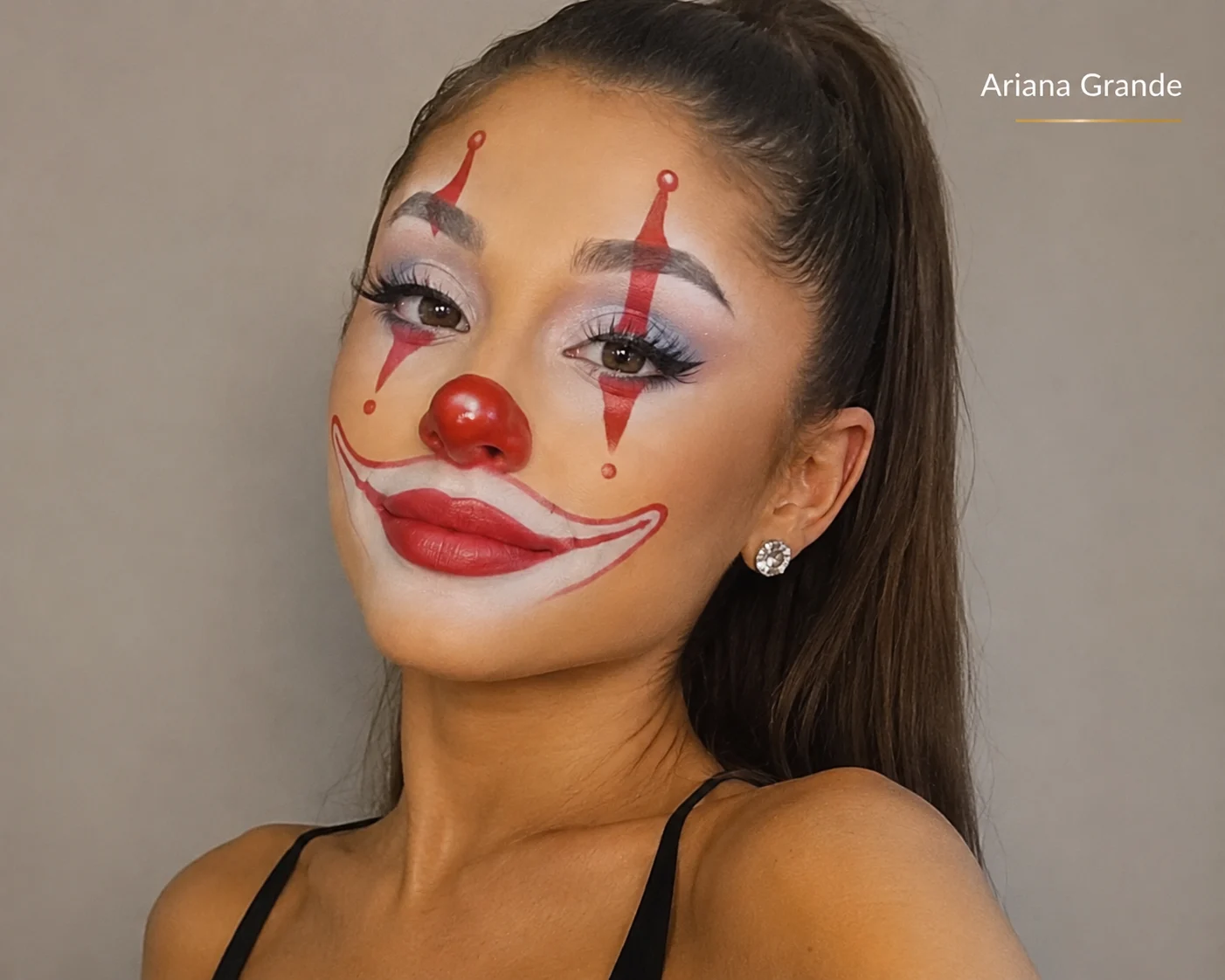
The eyes are a focal point of clown makeup.
Popular techniques include:
- Large arches
- Colorful shapes
- Dramatic outlines
- Decorative designs
Eye makeup helps establish the clown’s personality and expression.
Step 4: Create the Mouth
The mouth is another key feature.
Many clown designs exaggerate the smile using red makeup.
The shape can dramatically influence whether the character appears cheerful, mischievous, or frightening.
Step 5: Add Details
Details bring the character to life.
Examples include:
- Stars
- Hearts
- Dots
- Swirls
- Tears
- Glitter accents
These elements help create a unique and memorable appearance.
Popular Clown Makeup Ideas
Traditional Circus Clown
This timeless look emphasizes bright colors, friendly expressions, and playful energy.
It remains one of the most popular clown makeup styles worldwide.
Vintage Clown Makeup
Vintage designs draw inspiration from classic circus performers and early theatrical traditions.
These looks often feature softer colors and elegant detailing.
Cute Clown Makeup
Cute clown makeup has become increasingly popular on social media platforms.
Common elements include:
- Pastel colors
- Heart shapes
- Soft blush
- Gentle expressions
This style offers a modern interpretation of traditional clown aesthetics.
Halloween Clown Makeup
Halloween clown designs often combine theatrical creativity with dramatic visual effects.
Both humorous and spooky approaches remain popular choices during the holiday season.
Tips for Better Clown Makeup
Practice Before Events
Clown makeup can require time and precision.
Practicing beforehand helps improve confidence and refine techniques.
Use High-Quality Products
Professional-grade products typically provide better coverage, comfort, and durability.
Investing in quality materials often produces noticeably better results.
Consider Character Design
Before applying makeup, think about the character’s personality.
The design should reflect whether the clown is:
- Funny
- Friendly
- Elegant
- Silly
- Mysterious
- Scary
A clear concept creates a more cohesive final look.
Photograph Your Designs
Taking photos allows artists to evaluate and improve future designs.
Many professional clowns maintain records of their signature makeup styles.
Frequently Asked Questions
Q: What makeup do professional clowns use?
A: Professional clowns often use high-quality theatrical makeup specifically designed for face painting and extended wear.
Q: Is clown makeup safe for skin?
A: Most reputable face paints are safe when used according to instructions. Always test products if you have sensitive skin.
Q: How long does clown makeup last?
A: Properly applied clown makeup can last several hours and often remains intact throughout performances when set correctly.
Q: What is the easiest clown makeup for beginners?
A: A simple Auguste clown design using a red nose, colorful eyes, and an exaggerated smile is often the easiest starting point.
Q: Can clown makeup be used for Halloween?
A: Yes. Clown makeup is one of the most popular Halloween makeup categories and can be adapted for funny, artistic, or scary themes.
Conclusion
Clown makeup is a fascinating blend of artistry, performance, and self-expression. From traditional circus entertainers to modern Halloween creations, it offers endless opportunities for creativity and character development. The bold colors, exaggerated features, and distinctive designs make clown makeup one of the most recognizable styles in the world of face painting.
Whether you’re preparing for a performance, costume party, theatrical production, or Halloween event, understanding the fundamentals of clown makeup can help you create a memorable and effective look. With practice, quality products, and a clear creative vision, anyone can transform a simple face into a unique clown character that captures attention and leaves a lasting impression.