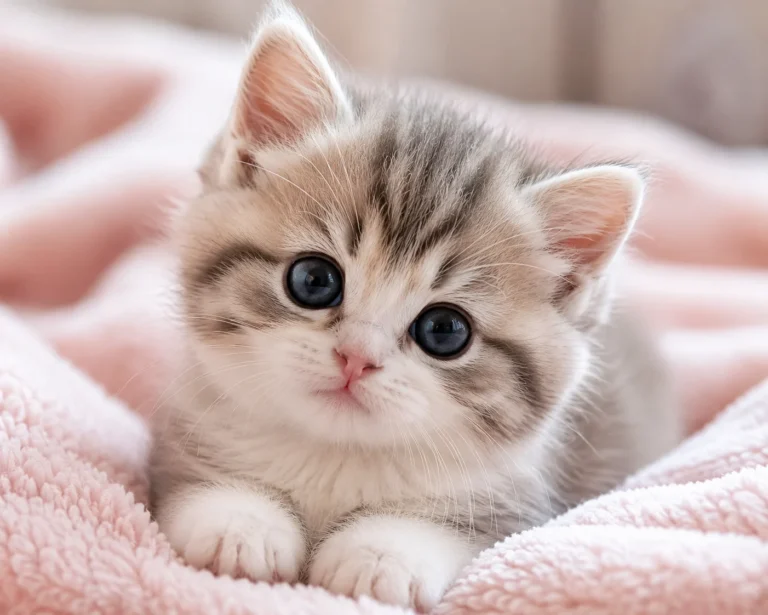
Cute Explained.The word “cute” is one of the most commonly used compliments in everyday life. People describe babies, animals, fashion styles, cartoons, relationships, and even food as cute. Yet the idea goes far beyond appearance. Cuteness has a powerful effect on human emotions, influencing how we think, feel, and behave.
Scientists, psychologists, and researchers have spent decades studying why certain faces, objects, and behaviors trigger feelings of affection and protection. From puppies and kittens to animated characters and miniature products, cute features often create an immediate emotional response. Understanding why this happens reveals fascinating insights into human psychology, social behavior, and even modern marketing. This article explores the meaning of cuteness, the science behind it, its cultural influence, and why people are naturally drawn to adorable things.
What Does Cute Explained Mean?
The Basic Definition of Cute
Cute Explained generally refers to something that appears attractive in a charming, innocent, or endearing way. Unlike beauty, which is often associated with elegance or perfection, cuteness is usually connected to softness, vulnerability, playfulness, and youthfulness.
Cute Explained A tiny puppy with oversized eyes, a smiling toddler, or a round cartoon character may all be considered cute. The reaction often feels automatic. People smile, laugh, or experience an urge to protect and care for the subject. This emotional response is one reason the concept remains so universal across cultures.
More Than Physical Appearance
Cute Explained is not limited to looks alone. Behaviors, personalities, and even voices can be perceived as adorable. Someone who acts shy, playful, or genuinely kind may be described as cute regardless of physical appearance.
Cute Explained This broader meaning explains why people often use the term in relationships and friendships. It reflects warmth and emotional connection rather than simple visual attraction.
How Language Shapes the Idea
Cute Explained The meaning of cute has evolved over time. In modern culture, the word appears everywhere from social media captions to advertising campaigns. Brands frequently use cute designs, mascots, and characters because they create positive emotional associations.
Cute Explained As digital culture grows, cuteness has become part of online communication through emojis, stickers, animated characters, and viral animal videos. The emotional appeal remains remarkably consistent despite changing trends.
The Science Behind Cuteness
The Baby Schema Theory
Cute Explained One of the most influential explanations comes from Austrian ethologist Konrad Lorenz, who introduced the concept known as “baby schema” or Kindchenschema. According to this theory, certain physical features naturally trigger caregiving instincts in humans. These include large eyes, round faces, chubby cheeks, and small noses.
Cute Explained Researchers later tested this theory and found that faces with stronger baby-like features were consistently rated as more adorable and inspired stronger nurturing responses.
Why Humans React Emotionally
Cute Explained The emotional response to adorable things appears connected to survival. Human babies require years of care and protection, so evolution may have favored traits that encourage adults to nurture young children.
Cute Explained Because of this evolutionary tendency, people often react similarly to baby animals, plush toys, and cartoon characters that share comparable features. Large eyes and rounded shapes can trigger feelings of affection even when the subject is not human.
What Happens in the Brain
Cute Explained Studies suggest that viewing adorable faces activates reward-related regions in the brain. These areas are associated with pleasure, motivation, and emotional bonding. Researchers have linked these reactions to systems involved in caregiving and social connection.
Cute Explained This helps explain why seeing a kitten video or smiling baby can instantly improve someone’s mood. The reaction is not simply cultural; it also has biological roots connected to human social behavior.
Why People Love Cute Animals
Puppies, Kittens, and Universal Appeal
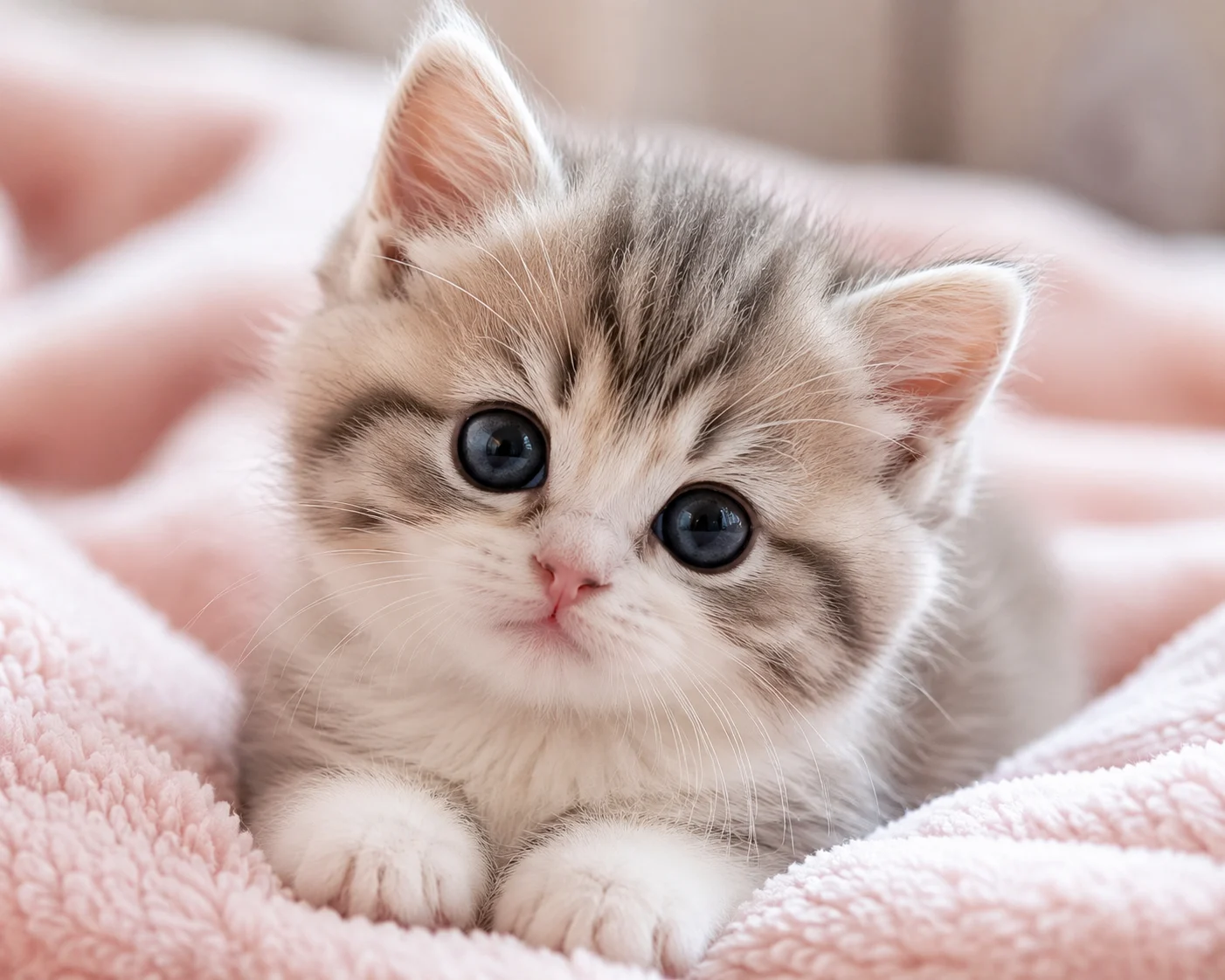
Cute Explained Few things generate stronger emotional reactions than baby animals. Puppies, kittens, rabbits, and other young creatures often display the exact features associated with baby schema, including large eyes, rounded heads, and small bodies.
Cute Explained These traits make animals appear harmless and dependent, encouraging protective feelings. Even species that become powerful or dangerous as adults can appear adorable during infancy.
The Role of Pets in Human Life
Pets strengthen emotional bonds because they combine physical appeal with companionship. Dogs and cats often maintain playful behaviors throughout their lives, which helps preserve their perceived cuteness.
Many pet owners describe their animals using affectionate language similar to how parents describe children. This connection reflects both emotional attachment and natural caregiving instincts.
Social Media and Animal Content
Platforms such as TikTok, Instagram, and YouTube have amplified the popularity of animal content. Short clips featuring playful pets, unusual animal friendships, or funny reactions regularly attract millions of views.
Part of this success comes from the universal nature of the emotional response. People from different backgrounds often react similarly to adorable animals, making the content widely shareable.
Cute Culture Around the World
The Rise of Kawaii in Japan
One of the most influential cultural interpretations of cuteness is Japan’s concept of kawaii. The term represents more than simple attractiveness. It includes innocence, friendliness, emotional warmth, and playful design.
Kawaii culture has influenced fashion, animation, branding, technology, and product design. Characters with oversized eyes and soft features have become recognizable around the world.
Cute Design in Modern Branding
Companies frequently incorporate adorable elements into logos, mascots, and packaging. Soft colors, rounded shapes, and friendly character designs help products feel approachable and memorable.
This strategy works because consumers often form emotional connections with brands that create positive feelings. Adorable visuals can make products seem more welcoming and trustworthy.
Digital Communication and Emojis
Modern communication relies heavily on visual expression. Emojis, animated stickers, and reaction images often use exaggerated facial expressions and baby-like proportions to create emotional impact.
These digital tools allow people to communicate warmth, affection, humor, and friendliness instantly. As online interaction grows, cuteness continues to play a major role in how emotions are expressed.
The Psychology of Cute Things
Why Small Objects Feel Appealing
Miniature items frequently trigger positive reactions. Tiny furniture, miniature food models, and small decorative objects often seem charming even when they serve no practical purpose.
Researchers suggest that reduced size can make objects appear less threatening and more manageable. Smallness also resembles characteristics associated with infancy, contributing to feelings of affection.
Cute Aggression Explained
One of the most surprising psychological phenomena is “cute aggression.” This occurs when someone feels overwhelmed by affection and responds with statements like “I could squeeze that puppy.”
Although the expression sounds aggressive, it does not reflect harmful intent. Researchers believe it may help regulate intense positive emotions and prevent emotional overload.
Emotional Benefits of Cuteness
Exposure to adorable images can create feelings of happiness, comfort, and relaxation. Many people intentionally seek out uplifting content involving animals, children, or playful characters after stressful days.
The emotional boost provided by these experiences may contribute to improved mood and stronger social connection. This helps explain why adorable content remains consistently popular online.
How Cuteness Influences Everyday Life
Fashion and Personal Style
Many fashion trends incorporate elements associated with innocence, softness, and playfulness. Pastel colors, oversized sweaters, bows, and cartoon-inspired accessories often draw from cute aesthetics.
People sometimes adopt these styles because they create a welcoming, friendly impression while allowing self-expression.
Entertainment and Pop Culture
Film studios, animation companies, and game developers frequently design characters with features linked to baby schema. Large eyes, rounded faces, and expressive emotions help audiences connect with fictional characters more quickly.
Some of the world’s most recognizable animated figures rely heavily on these design principles.
Relationships and Social Bonding
People often use the word cute as an expression of affection. Complimenting someone’s smile, laugh, or behavior can strengthen emotional connections.
Unlike compliments focused solely on appearance, describing someone as adorable often highlights personality, warmth, or genuine charm.
Frequently Asked Questions
Q: Why do humans find things cute?
A: Researchers believe humans are naturally drawn to features associated with infancy, including large eyes, round faces, and small proportions. These traits trigger caregiving instincts and emotional responses that may have evolved to help protect young children.
Q: What makes an animal cute?
A: Animals often appear adorable when they display baby-like characteristics such as large eyes, rounded heads, soft fur, and playful behavior. These features closely match the traits identified in baby schema research.
Q: What is cute aggression?
A: Cute aggression describes the urge to squeeze, pinch, or express exaggerated affection toward something adorable. Psychologists believe it may help people manage overwhelming positive emotions without causing harm.
Q: Is cuteness the same as beauty?
A: No. Beauty is often associated with elegance, symmetry, or attractiveness, while cuteness is linked to innocence, softness, vulnerability, and emotional warmth. The two can overlap, but they trigger different psychological responses.
Q: Why is kawaii culture so popular?
A: Kawaii culture emphasizes friendliness, positivity, and emotional comfort. Its playful designs and approachable characters appeal to people across different age groups and cultures, helping it become a global influence.
Conclusion
Cuteness may seem simple on the surface, but it reflects a fascinating combination of psychology, biology, culture, and emotion. From baby animals and animated characters to fashion trends and social media content, adorable features consistently capture human attention and inspire positive feelings.
Scientific research suggests that many of these reactions are deeply connected to caregiving instincts and emotional bonding. At the same time, cultural movements and modern technology have expanded the role of cuteness into entertainment, branding, and everyday communication.
Whether it appears in a smiling puppy, a beloved cartoon character, or a heartfelt moment between friends, the appeal of adorable things remains one of the most universal and enduring aspects of human experience.