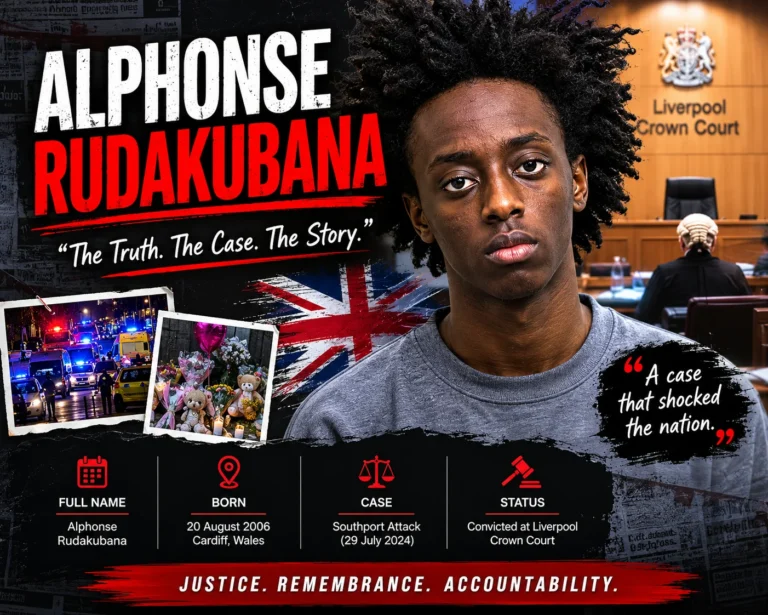
Alphonse Rudakubana became publicly known following the investigation into the 2024 Southport stabbing attack in the United Kingdom. His name appeared in media coverage and public inquiry proceedings connected to his son, Axel Rudakubana, who was convicted of murdering three young girls during a Taylor Swift-themed dance class in Southport.
The case shocked Britain and triggered intense national debate about public safety, mental health intervention, online radicalization, and failures within state agencies. As the inquiry developed, attention also focused on family dynamics and warnings that authorities allegedly missed before the tragedy occurred.
This article examines who Alphonse Rudakubana is, his connection to the Southport inquiry, the broader investigation, and why the case became one of the most discussed criminal incidents in recent British history.
Who Is Alphonse Rudakubana? A Short Biography
| Detail | Information |
|---|---|
| Full Name | Alphonse Rudakubana |
| Nationality | Rwandan-born British resident |
| Known For | Connection to the Southport inquiry |
| Residence | Lancashire, England |
| Family | Father of Axel Rudakubana |
| Public Attention | Southport attack investigation and inquiry |
The Southport Attack and National Shock
What Happened in Southport?
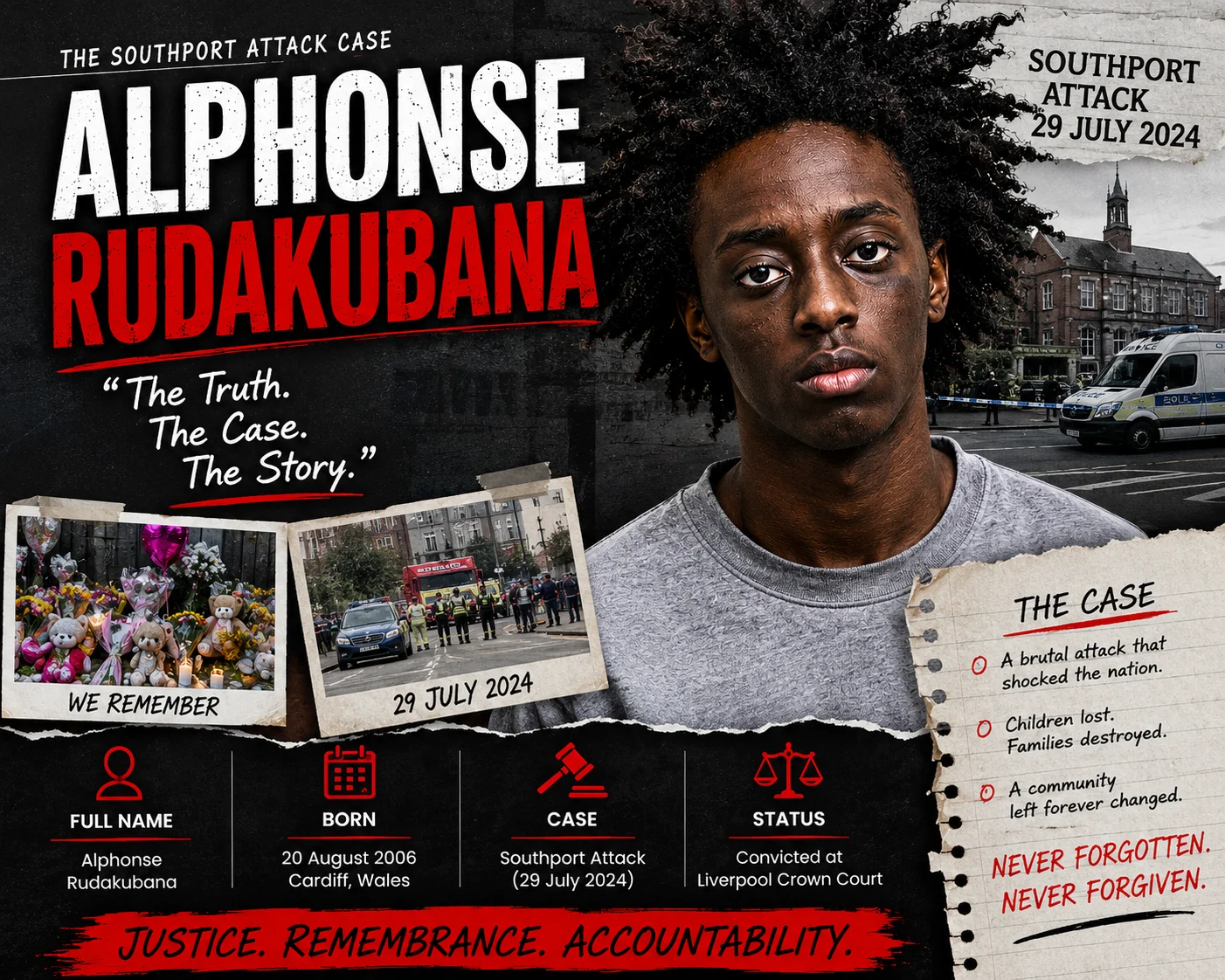
In July 2024, a violent knife attack took place during a Taylor Swift-themed children’s dance class in Southport, England. Three young girls were killed, while several children and adults suffered serious injuries.
The attacker, Axel Rudakubana, was 17 years old at the time of the incident. The case rapidly became one of the most widely reported crimes in Britain because of the age of the victims and the brutality of the attack.
Public vigils, memorials, and national media coverage followed almost immediately as communities across the UK reacted with grief and anger.
Criminal Charges and Conviction
Axel Rudakubana later pleaded guilty to multiple charges, including murder, attempted murder, possession of a knife, production of ricin, and possession of an al-Qaeda training manual.
In January 2025, Liverpool Crown Court sentenced him to a minimum of 52 years in prison. The judge stated that he would likely spend the rest of his life in custody.
The scale of the attack and the discovery of extremist-related materials increased public concern regarding how authorities handled earlier warning signs.
Alphonse Rudakubana’s Role in the Inquiry
Testimony During Public Proceedings
Alphonse Rudakubana later appeared during public inquiry proceedings examining whether the tragedy could have been prevented.
According to inquiry reporting, he described years of escalating violent behavior inside the family home. Testimony revealed concerns involving threats, aggression, and growing fear surrounding Axel’s conduct.
Media coverage reported that Alphonse admitted he often feared confronting his son directly because of the risk of violent outbursts.
Claims of Missed Warnings
The inquiry also examined repeated contacts between Axel Rudakubana and schools, mental health services, police, and anti-terror programs before the attack. Several reports suggested opportunities for intervention may have been missed over multiple years.
During testimony, Alphonse Rudakubana reportedly expressed regret about not sharing more information with authorities earlier. Some reports stated that the family worried increased intervention could lead to their son being removed from the home.
These details intensified debate over parental responsibility and institutional failures.
The Wider Southport Inquiry
Public Agencies Under Scrutiny
The inquiry into the Southport attack did not focus only on the family. British authorities also investigated the actions of schools, healthcare providers, police, and counter-terror services.
Reports indicated Axel Rudakubana had prior incidents involving violence, knives, and concerning online behavior before the attack occurred. Despite these warning signs, agencies reportedly failed to coordinate effectively or recognize the full scale of the threat.
The inquiry later described some failures as “catastrophic” and suggested the attack may have been preventable.
Debate Around Terrorism Classification
Another major issue involved whether the Southport attack should legally be considered terrorism.
Authorities discovered extremist-related material and ricin production evidence during investigations. However, police stated there was no evidence Axel Rudakubana acted for a political or ideological cause.
This sparked wider public discussion about how modern threats are categorized, particularly in cases involving obsession with violence rather than organized ideological groups.
Public Reaction and Media Attention
Nationwide Emotional Impact
The Southport attack deeply affected communities throughout Britain. Memorial events, public tributes, and fundraising efforts emerged shortly after the incident.
The deaths of young children at a dance class created intense emotional reactions nationwide. News coverage remained constant for months as court proceedings and inquiry details continued unfolding.
Public anger also grew after reports suggested multiple intervention opportunities may have been overlooked before the tragedy occurred.
Online Misinformation and Riots
Following the attack, false claims spread rapidly online regarding the suspect’s identity and immigration status. Those rumors contributed to riots and disorder in several parts of the UK.
Government officials later warned about the dangers of misinformation spreading through social media during active criminal investigations.
The incident became another example of how rapidly unverified online narratives can influence public behavior and social tensions.
The Inquiry’s Long-Term Impact
Changes to Public Safety Discussions
The Southport inquiry increased pressure on British authorities to improve coordination between schools, mental health providers, police, and counter-terror agencies.
Questions were raised about how authorities assess individuals who show violent tendencies without clear political motivations.
Several recommendations reportedly focused on earlier intervention, information sharing, and safeguarding procedures for vulnerable children and communities.
Family Responsibility Debate
The role of parents and guardians also became a central topic during public discussions.
Some commentators argued the family should have alerted authorities more aggressively about dangerous behavior, while others pointed to broader systemic failures involving multiple public institutions.
As a result, the name Alphonse Rudakubana became associated with difficult questions about parental responsibility, fear within households, and warning signs before violent crimes.
Frequently Asked Questions
Q: Who is Alphonse Rudakubana?
A: Alphonse Rudakubana is known publicly as the father of Axel Rudakubana, the teenager convicted in connection with the 2024 Southport stabbing attack.
Q: What happened in the Southport attack?
A: The attack took place during a Taylor Swift-themed children’s dance class in Southport, England, where three young girls were killed and multiple others were injured.
Q: What sentence did Axel Rudakubana receive?
A: In January 2025, he received a minimum prison sentence of 52 years after pleading guilty to murder, attempted murder, and additional charges.
Q: Why was Alphonse Rudakubana mentioned in the inquiry?
A: He gave testimony regarding his son’s behavior, family concerns, and previous warning signs that emerged before the attack.
Q: Was the Southport attack considered terrorism?
A: Authorities said the attack was not officially classified as terrorism because investigators found no clear ideological motive, despite discovering extremist-related material.
Conclusion
Alphonse Rudakubana became part of national public discussion following one of Britain’s most devastating criminal cases in recent years. The Southport attack not only caused enormous grief for victims’ families and communities but also raised serious questions about prevention, institutional failures, and public safety systems.
The inquiry surrounding the case continues influencing conversations about mental health intervention, online violence, safeguarding policies, and how authorities respond to warning signs before tragedies occur.
As Britain continues examining lessons from Southport, the case remains a painful reminder of the importance of early intervention, accurate information sharing, and community protection.