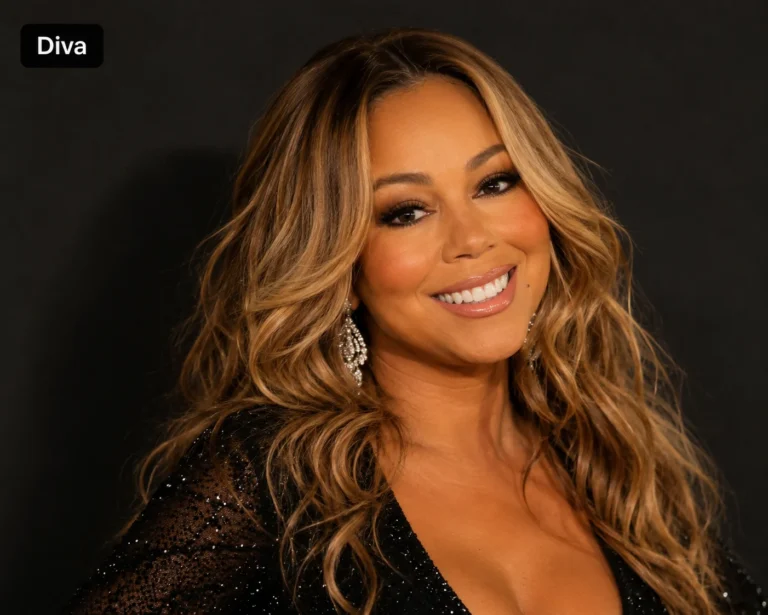
The word diva is widely used in music, fashion, entertainment, and everyday conversation. Some people use it as a compliment for a talented performer, while others use it to describe someone who is demanding or difficult. Despite its popularity, many people do not know where the term came from or how its meaning has changed over time.
Originally associated with elite opera singers, the word has evolved into a cultural label that can represent talent, confidence, glamour, and sometimes controversy. Today, it is commonly linked to world-famous performers who command attention both on and off the stage.
This guide explores the history of the term, its transformation through the decades, and its place in modern culture.
What Does Diva Mean?
A diva traditionally refers to a highly distinguished female singer, particularly in the world of opera. The term originated from the Italian word for “goddess” and was used to describe women whose vocal abilities and stage presence set them apart from their peers.
Over time, the meaning expanded. Modern dictionaries define a diva as a successful and glamorous female performer, especially a singer or entertainer. In some contexts, the word can also describe someone who behaves as though they deserve special treatment.
The Original Meaning
In the nineteenth century, opera audiences viewed leading sopranos almost like royalty. Their performances attracted huge crowds, and their influence extended far beyond the theater.
Because of their exceptional talent and public admiration, these performers were often referred to as divas. The title represented artistic excellence rather than personality traits.
How the Meaning Changed
As entertainment expanded beyond opera, the term began appearing in film, television, and popular music. Famous singers became known as divas because of their powerful voices, memorable performances, and larger-than-life public images.
Eventually, media coverage introduced a second meaning. A diva could also be someone perceived as demanding, temperamental, or difficult to please. This interpretation remains common today.
The History of the Word Diva
Italian and Latin Origins
The word comes from the Italian “diva,” which itself derives from a Latin term meaning “goddess” or “divine woman.” The connection to divinity reflects the admiration audiences felt for extraordinary performers.
When the term entered English usage during the late nineteenth century, it maintained its association with exceptional artistic talent. It was reserved for women who stood at the very top of their profession.
Opera’s Golden Age
Opera houses throughout Europe helped popularize the title. Leading singers became celebrities long before modern social media or television existed.
Fans followed their careers closely, attended performances across different cities, and discussed their achievements with the same enthusiasm that modern audiences reserve for major pop stars.
Transition Into Mainstream Culture
The twentieth century transformed entertainment. Cinema, radio, and television created new kinds of celebrities, and the term diva followed that evolution.
By the late twentieth century, it was commonly used to describe successful singers, actresses, and public figures who possessed exceptional talent and strong public identities.
Characteristics Commonly Associated With a Diva
Exceptional Talent
The most consistent feature linked to the term is outstanding ability. Whether in opera, pop music, acting, or another artistic field, a diva is generally recognized for excellence.
Audiences often associate the title with performers who have achieved long-term success and earned widespread respect within their industries.
Strong Presence and Confidence
Many celebrated divas are known for commanding attention. Their confidence, style, and charisma help create unforgettable performances.
This presence extends beyond the stage. Interviews, public appearances, and personal branding often contribute to the powerful image associated with the term.
Glamour and Influence
A diva is frequently viewed as a trendsetter. Fashion choices, artistic direction, and public statements can influence millions of fans.
The ability to shape culture is one reason why the word continues to hold significance decades after its introduction into popular language.
Divas in Music and Entertainment
Opera Legends
Historically, opera provided the foundation for the diva concept. Legendary sopranos demonstrated extraordinary vocal skill and dramatic expression, helping establish the title’s prestige.
Their influence created a blueprint that later entertainers would follow.
Pop Music Icons
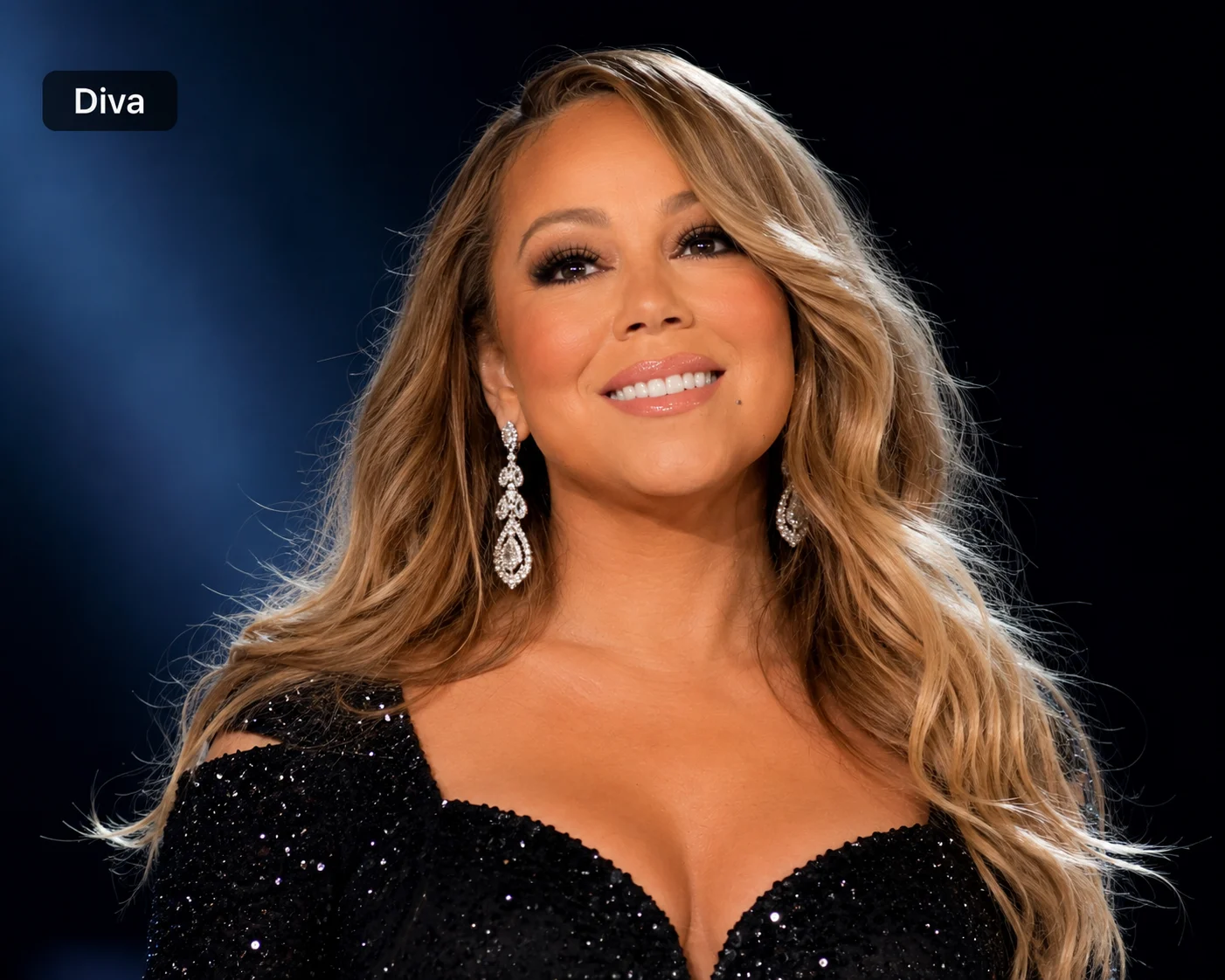
Modern music has produced numerous artists commonly described as divas. These performers are celebrated for vocal ability, stage presence, and cultural impact. Media discussions frequently use the term when referring to influential female singers.
In contemporary entertainment, being called a diva can signify star power, artistic excellence, and enduring popularity.
Film and Television Personalities
The label is not limited to singers. Acclaimed actresses and television personalities have also been described as divas because of their influence and commanding public personas.
Their success demonstrates how the term has expanded beyond its original musical roots.
Positive and Negative Interpretations
Why Some View It as a Compliment
Many people consider the word empowering. It recognizes achievement, confidence, and dedication to a craft.
Books, media discussions, and cultural commentary often celebrate divas as symbols of strength, resilience, and artistic excellence.
Why Others Use It Critically
The negative interpretation focuses on behavior rather than talent. In this context, a diva may be portrayed as demanding, entitled, or difficult to work with.
Media coverage sometimes emphasizes these characteristics, creating a more controversial image of the term.
The Modern Balance
Today, the word often carries both meanings simultaneously. A performer may be admired for extraordinary talent while also attracting discussion about their personality or public behavior.
This complexity is part of what keeps the term culturally relevant.
Why the Diva Concept Still Matters
Representation of Excellence
The title remains associated with mastery and achievement. Artists who earn the label are often recognized for setting high standards within their fields.
As a result, the word continues to symbolize ambition and success.
Influence on Popular Culture
Fashion, music, social media, and entertainment all reflect the influence of iconic divas. Their styles, performances, and public personas often become cultural reference points.
Recent discussions in media continue to explore the changing role of the diva archetype and its relevance in modern society.
Evolution Across Generations
Each generation develops its own understanding of what makes someone a diva. While the original meaning focused on opera, modern audiences apply the term to a broader range of influential women.
This adaptability has helped the word remain meaningful for more than a century.
Frequently Asked Questions
Q: What is the literal meaning of diva?
A: The word originates from Italian and ultimately from Latin, where it referred to a goddess or divine woman. It was later used to describe exceptional female opera singers before expanding into broader entertainment culture.
Q: Is being called a diva a compliment?
A: It depends on the context. In many situations, it recognizes talent, confidence, and success. In others, it may imply that someone is demanding or difficult to please.
Q: Can actresses be called divas?
A: Yes. Although the term began in opera, it is now commonly used for actresses, television personalities, and other influential entertainers.
Q: Why are singers often called divas?
A: The word has strong historical connections to music. Because it originally described elite opera singers, it naturally became associated with powerful and successful vocal performers.
Q: Is the term still relevant today?
A: Absolutely. The concept continues to appear in music journalism, popular culture, and entertainment discussions, where it represents a combination of talent, influence, and public presence.
Conclusion
The word diva has traveled a remarkable path from the grand opera houses of Europe to the center of modern popular culture. What began as a title for exceptional female singers evolved into a broader symbol of talent, influence, confidence, and celebrity. While the term sometimes carries negative connotations, its core association with excellence remains strong.
Understanding the history of the diva reveals how language evolves alongside culture. Whether used to describe an opera legend, a chart-topping musician, or a powerful public figure, the word continues to capture the fascination people have with extraordinary performers and the lasting impact they leave on the world.