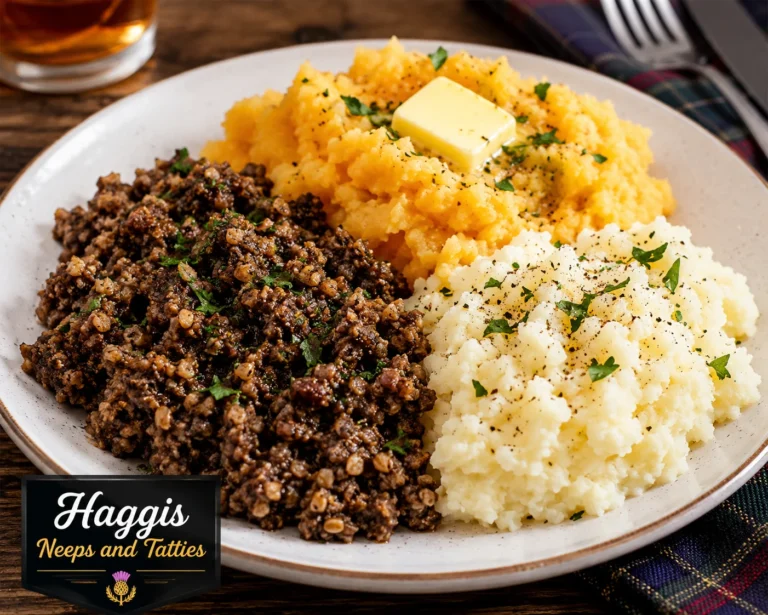
Few dishes are as closely associated with a country’s identity as haggis, neeps and tatties are with Scotland. Rich in history, tradition, and flavor, this classic Scottish meal has been enjoyed for centuries and remains a central part of the nation’s culinary heritage. Whether served during Burns Night celebrations, family gatherings, haggis neeps and tatties, or in traditional Scottish restaurants, haggis neeps and tatties, haggis, neeps and tatties continue to hold a special place in Scottish culture.
For visitors unfamiliar with Scottish cuisine, the name itself may sound unusual. Yet behind the distinctive title lies a comforting and hearty dish that has won admirers around the world. Combining savory haggis with creamy mashed turnips and potatoes, the meal represents Scotland’s resourcefulness, agricultural traditions, haggis neeps and tattie, and love of wholesome food.
This comprehensive guide explores the origins of haggis, neeps and tatties, its ingredients, preparation methods, cultural importance, nutritional value, and why it remains one of Scotland’s most celebrated culinary traditions.
What Are Haggis, Neeps and Tatties?
Haggis, neeps and tatties is a traditional Scottish dish consisting of three primary components:
- Haggis
- Neeps (mashed turnips or swedes)
- Tatties (mashed potatoes)
Together, these ingredients create a hearty and flavorful meal that is enjoyed throughout Scotland and beyond.
The combination balances rich, savory flavors with creamy vegetable accompaniments, resulting in a dish that is both satisfying and deeply rooted in Scottish tradition.
Understanding Each Component
What Is Haggis?
Haggis is Scotland’s national dish and the centerpiece of the meal.
Traditional haggis is made using:
- Sheep’s pluck (heart, liver, and lungs)
- Oatmeal
- Onion
- Suet
- Seasonings and spices
The ingredients are mixed together and traditionally cooked inside a sheep’s stomach, although modern commercial versions typically use synthetic casings.
The result is a savory pudding with a rich texture and distinctive flavor that reflects centuries of Scottish culinary practice.
What Are Neeps?
In Scotland, “neeps” usually refer to swedes, also known in some regions as rutabagas.
These root vegetables are:
- Peeled
- Boiled
- Mashed
- Seasoned with butter and salt
Neeps provide a slightly sweet and earthy flavor that complements the richness of haggis.
Their bright color also adds visual appeal to the plate.
What Are Tatties?
“Tatties” is the Scottish word for potatoes.
In this dish, potatoes are typically:
- Boiled until tender
- Mashed with butter
- Sometimes enriched with milk or cream
The creamy texture helps balance the robust flavors of the haggis while creating a comforting and familiar side dish.
The History of Haggis
Ancient Origins
The exact origins of haggis remain debated among food historians.
Various forms of organ-based puddings have existed across Europe for centuries. Similar dishes can be found in several cultures, suggesting that the concept of using every part of an animal developed independently in different regions.
However, haggis became particularly associated with Scotland and eventually evolved into a national symbol.
Practical Rural Food
Historically, rural communities needed ways to use all available ingredients efficiently.
Haggis emerged as a practical solution because it utilized parts of the animal that spoiled quickly after slaughter.
Mixing these ingredients with oatmeal created a nutritious and filling meal that could sustain families through Scotland’s challenging climate.
This resourceful approach reflects the ingenuity of traditional Scottish cooking.
Connection to Scottish Identity
Over time, haggis became far more than a practical food.
It evolved into a cultural symbol representing Scottish heritage, resilience, and pride.
Today, it is recognized internationally as one of Scotland’s most iconic dishes.
Robert Burns and Haggis
The Poet’s Influence
The connection between haggis and Scottish culture was strengthened significantly by the famous Scottish poet Robert Burns.
In 1786, Burns wrote Address to a Haggis, a poem celebrating the dish and its importance to Scottish life.
The poem elevated haggis from a simple meal to a national emblem.
Burns Night Celebrations
Every year on 25 January, Scots around the world celebrate Burns Night in honor of Robert Burns.
A traditional Burns Supper typically includes:
- Haggis
- Neeps and tatties
- Poetry readings
- Scottish music
- Whisky
During the event, the haggis is ceremonially presented while Address to a Haggis is recited.
This tradition remains one of Scotland’s most cherished cultural celebrations.
A Lasting Legacy
Burns’ influence helped ensure that haggis remained central to Scottish identity.
Even people who rarely eat haggis during the rest of the year often enjoy it as part of Burns Night festivities.
Traditional Preparation of Haggis
Selecting Ingredients
Authentic haggis begins with quality ingredients.
Traditional recipes include:
- Sheep’s liver
- Heart
- Lungs
- Oatmeal
- Onion
- Suet
- Salt
- Pepper
- Spices
The balance of ingredients contributes significantly to the final flavor and texture.
Cooking Process
Historically, the ingredients were minced and mixed before being placed inside a cleaned sheep’s stomach.
The filled casing was then simmered for several hours.
Modern versions typically use food-safe synthetic casings while maintaining traditional recipes.
The cooking process allows flavors to blend while producing the characteristic texture associated with haggis.
Modern Variations
Today, many variations exist.
These include:
- Vegetarian haggis
- Vegan haggis
- Luxury haggis recipes
- Spicy haggis versions
These adaptations allow more people to enjoy the dish while preserving its essential character.
How Haggis, Neeps and Tatties Are Served
Traditional Presentation
The classic presentation places haggis at the center of the plate with neeps and tatties served alongside.
Many restaurants create visually appealing arrangements while maintaining traditional proportions.
The combination offers contrasting textures and complementary flavors.
With Whisky Sauce
A popular addition is whisky cream sauce.
This rich accompaniment combines:
- Scotch whisky
- Cream
- Stock
- Seasonings
The sauce adds depth and richness to the dish while enhancing its Scottish identity.
Restaurant Interpretations
Modern chefs frequently reinvent haggis, neeps and tatties.
Contemporary presentations may include:
- Haggis-stuffed chicken
- Haggis bonbons
- Fine dining versions
- Gourmet tasting menus
Despite these innovations, the traditional version remains the most beloved.
Nutritional Value
Rich Source of Protein
Haggis contains substantial amounts of protein due to its meat-based ingredients.
Protein plays an important role in:
- Muscle maintenance
- Tissue repair
- Overall health
This contributes to the dish’s reputation as a hearty meal.
Complex Carbohydrates
The oatmeal in haggis provides complex carbohydrates and dietary fiber.
These nutrients support:
- Sustained energy
- Digestive health
- Satiety
The addition of potatoes further increases carbohydrate content.
Vitamins and Minerals
The ingredients found in haggis, neeps and tatties provide various nutrients, including:
- Iron
- Zinc
- B vitamins
- Potassium
Root vegetables also contribute vitamins and antioxidants.
Why Haggis Remains Popular
Strong Cultural Identity
Few foods symbolize a nation as effectively as haggis symbolizes Scotland.
Its connection to history, poetry, and tradition gives it cultural significance beyond its ingredients.
Comfort Food Appeal
The combination of savory haggis and creamy vegetables creates a deeply satisfying meal.
Many Scots associate the dish with family gatherings, celebrations, and cultural traditions.
This emotional connection contributes to its enduring popularity.
Growing International Interest
As Scottish culture has gained global visibility, interest in traditional Scottish foods has increased.
Visitors frequently seek out haggis, neeps and tatties as part of their Scottish travel experience.
Many international restaurants now feature the dish on their menus.
Regional and Modern Variations
Vegetarian Haggis
One of the most successful adaptations is vegetarian haggis.
These recipes often include:
- Lentils
- Oats
- Beans
- Nuts
- Vegetables
Many visitors are surprised by how flavorful vegetarian versions can be.
Vegan Alternatives
Vegan haggis eliminates all animal products while maintaining a similar texture and flavor profile.
These options have become increasingly popular in recent years.
Fusion Dishes
Modern chefs have incorporated haggis into various fusion recipes, including:
- Haggis burgers
- Haggis pizza
- Haggis spring rolls
- Haggis pasta
These creative interpretations introduce the dish to new audiences.
Haggis in Scottish Tourism
A Must-Try Experience
Many tourists consider trying haggis an essential part of visiting Scotland.
Restaurants across cities such as Edinburgh, Glasgow, and Inverness proudly serve traditional versions.
The dish often becomes a memorable highlight of a visitor’s culinary journey.
Food Festivals and Events
Scottish food festivals frequently feature haggis as a centerpiece attraction.
These events celebrate local producers, traditional recipes, and regional food culture.
Culinary Ambassador
Haggis serves as an ambassador for Scottish cuisine internationally.
Its unique history and cultural significance help distinguish Scotland’s food traditions from those of other countries.
Frequently Asked Questions
Q: What are haggis, neeps and tatties?
A: Haggis, neeps and tatties is a traditional Scottish dish consisting of haggis served with mashed swede (neeps) and mashed potatoes (tatties).
Q: What does haggis taste like?
A: Haggis has a rich, savory flavor with earthy, peppery notes and a slightly nutty texture from the oatmeal.
Q: Are neeps turnips or swedes?
A: In Scotland, neeps usually refer to swedes, which are known as rutabagas in some countries.
Q: Is haggis eaten only on Burns Night?
A: No. While Burns Night is strongly associated with haggis, the dish is enjoyed throughout the year in Scotland.
Q: Is vegetarian haggis available?
A: Yes. Vegetarian and vegan haggis varieties are widely available and have become increasingly popular.
Conclusion
Haggis, neeps and tatties represent far more than a traditional meal. They embody Scotland’s history, culture, and culinary ingenuity. From humble rural origins to becoming a national symbol celebrated around the world, the dish has maintained its place at the heart of Scottish identity. The combination of flavorful haggis, sweet mashed neeps, and creamy tatties creates a comforting and memorable dining experience that continues to delight generations.
Whether enjoyed during a Burns Supper, at a traditional Scottish restaurant, or prepared at home, haggis, neeps and tatties remain a powerful reminder of Scotland’s rich heritage. As interest in authentic regional cuisine continues to grow, this iconic dish stands proudly as one of the most recognizable and beloved foods in the world.