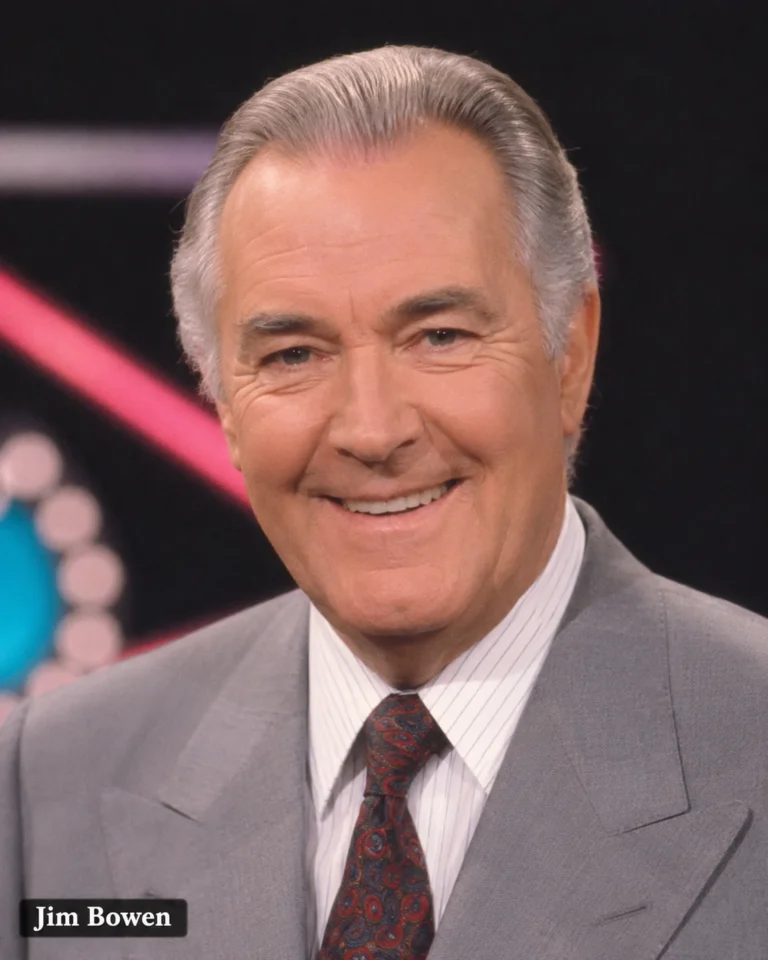
For many television viewers across Britain, few presenters were as instantly recognizable as Jim Bowen. With his distinctive Lancashire accent, quick wit, and unforgettable catchphrases, he became one of the most beloved personalities in British television history. Best known as the long-time host of the iconic ITV game show Bullseye, Bowen transformed a simple darts-based quiz program into a national institution and earned a place in the hearts of millions.
Yet Jim Bowen journey to stardom was far from conventional. Before becoming a household name, he worked as a teacher, served in the military, and spent years performing in working men’s clubs across northern England. His story is one of perseverance, reinvention, and remarkable success achieved later in life.
This detailed biography explores Jim Bowen’s early years, career breakthrough, television success, personal life, health challenges, and enduring influence on British popular culture.
Who Is Jim Bowen? A Short Biography
| Field | Information |
|---|---|
| Full Name | James Brown Whittaker |
| Birth Name | Peter Williams |
| Professional Name | Jim Bowen |
| Date of Birth | 20 August 1937 |
| Age at Death | 80 Years |
| Birthplace | Heswall, Cheshire, England |
| Nationality | British |
| Profession | Comedian, Television Presenter, Actor, Radio Broadcaster |
| Years Active | 1971–2014 |
| Famous For | Hosting Bullseye |
| Marital Status | Married |
| Spouse | Phyllis Owen |
| Children | Peter Whittaker and Susan Bowen |
| Military Service | Royal Army Ordnance Corps |
| Date of Death | 14 March 2018 |
| Place of Death | Lancashire, England |
| Official Website | jimbowen.tv |
Early Life and Childhood
A Difficult Start in Life
Jim Bowen was born as Peter Williams on 20 August 1937 in Heswall, Cheshire, England. His early life was marked by unusual circumstances. He was born to an unmarried mother and was later adopted as an infant by Joe and Annie Whittaker, a hardworking Lancashire couple.
Growing up in Clayton-le-Moors near Accrington, Bowen experienced a typical working-class upbringing. His adoptive father worked as a bricklayer, while his mother earned a living in the textile industry. Money was often tight, but the family valued hard work, determination, and humor.
These early experiences would later shape Bowen’s comedic style. Unlike many entertainers who relied on glamorous personas, he connected with audiences through relatability and everyday observations.
School Years and Early Employment
Bowen attended Accrington Grammar School but struggled academically. By his own admission, he was not an exceptional student and failed most of his examinations. After leaving school, he briefly worked as a dustman in Burnley, a job that gave him firsthand experience of working-class life.
Although his academic results were disappointing, Bowen possessed natural charisma and confidence. These qualities would eventually help him build a successful career in entertainment.
National Service and Military Experience
In the mid-1950s, Bowen completed National Service with the Royal Army Ordnance Corps. He served as an ammunition inspector and achieved the rank of corporal. During his military service, he developed leadership skills and discipline that later proved useful throughout his professional life.
The military years also helped him mature and broaden his perspective. Although entertainment was not yet part of his career plans, his ability to engage people and tell stories was already becoming apparent.
From Teacher to Entertainer
Building a Career in Education
After leaving the military, Bowen pursued teacher training and eventually became a physical education teacher. His dedication and work ethic enabled him to progress steadily through the profession.
He later became deputy headmaster at a primary school near Lancaster, a respected position that offered stability and security.
Many people assumed teaching would remain his lifelong career. However, Bowen possessed a passion for performing that continued to grow alongside his educational work.
Discovering Comedy
During the 1960s, Bowen began performing stand-up comedy on a part-time basis. Like many northern comedians of his era, he worked the club circuit, entertaining audiences in working men’s clubs, community venues, and local theaters.
His performances quickly gained attention because of his natural storytelling ability and warm stage presence. Rather than relying on flashy gimmicks, he focused on observational humor and audience interaction.
These early years were crucial in helping him develop the confidence and experience necessary for a television career.
Taking the Leap into Show Business
As his popularity grew, Bowen faced a difficult decision. He could remain in education or pursue entertainment full-time.
Eventually, he chose comedy.
Leaving a secure teaching career involved considerable risk, particularly because he had a wife and family to support. Yet Bowen believed he had the talent and determination to succeed.
That decision changed the course of his life forever.
Television Breakthrough
The Comedians
Jim Bowen’s first major television opportunity came through The Comedians, a hugely popular British television program that showcased stand-up performers. The series introduced viewers to many comedians who later became household names.
Appearing on national television dramatically increased Bowen’s profile. Audiences responded positively to his friendly style and approachable personality.
The exposure opened doors to additional television appearances and established him as a rising figure in British comedy.
Expanding His Television Career
Following the success of The Comedians, Bowen appeared on several other programs, including The Wheeltappers and Shunters Social Club and various entertainment shows.
Throughout the 1970s, he gradually built a reputation as a dependable entertainer capable of engaging audiences across different formats.
Although he achieved moderate success during this period, his greatest opportunity was still ahead.
The Opportunity That Changed Everything
In 1981, ITV launched a new game show combining general knowledge questions with darts.
The show was called Bullseye.
Bowen was selected as presenter, a decision that would transform him into one of Britain’s most recognizable television personalities.
The Bullseye Phenomenon
Why Bullseye Was Different
Bullseye was unlike any other game show on television. Contestants competed in teams consisting of a darts player and a quiz expert. Success depended on both skill and knowledge.
The combination proved incredibly popular with viewers.
The format was simple, entertaining, and family-friendly. Audiences appreciated the show’s relaxed atmosphere and ordinary contestants.
Peak Popularity
During its golden years, Bullseye attracted audiences ranging from 15 to 20 million viewers, making it one of the most successful programs on British television.
The show became a staple of Sunday evening viewing.
Families gathered around their televisions each week to watch contestants compete for prizes ranging from household appliances to caravans and speedboats.
For many viewers, Jim Bowen was the main attraction.
The Importance of His Hosting Style
Bowen possessed a rare ability to connect with contestants.
Unlike some game-show hosts who maintained distance from participants, he treated contestants like friends. He joked with them, encouraged them, and often shared in their excitement or disappointment.
His warmth helped create an atmosphere that felt authentic rather than staged.
This genuine connection became a key reason for the show’s success.
Famous Catchphrases
“Look What You Could Have Won”
Perhaps Bowen’s most famous line came when contestants missed out on major prizes.
After revealing what they could have won, he would say:
“Look at what you could have won.”
The phrase became part of British popular culture and remains associated with him decades later.
“Keep Out of the Black and In the Red”
Another iconic expression was:
“Keep out of the black and in the red, nothing in this game for two in a bed.”
The line referred to the scoring mechanics of the dartboard and became one of the most recognizable catchphrases in British television history.
The Language of Bullseye
Bowen’s colorful expressions contributed significantly to the show’s identity.
Terms such as “Bus Fare Home” and “You Can’t Beat a Bit of Bully” became familiar to viewers throughout the United Kingdom.
His unique way of speaking gave Bullseye a personality unlike any other game show.
Life Beyond Bullseye
Acting Roles
Although primarily known as a presenter, Bowen also enjoyed acting opportunities throughout his career.
He appeared in television productions including Jonathan Creek, Phoenix Nights, The Grimleys, and Last of the Summer Wine.
These appearances demonstrated his versatility as a performer and introduced him to younger audiences.
Radio Career
After Bullseye ended, Bowen moved into radio broadcasting.
He hosted programs on BBC Radio Lancashire and later worked with local stations in northern England.
His conversational style translated naturally to radio, allowing listeners to enjoy the same humor and warmth that had made him successful on television.
Live Performances
Bowen never completely abandoned stand-up comedy.
Even after achieving national fame, he continued performing live shows and after-dinner speaking engagements.
Many fans appreciated hearing stories from his decades in entertainment, particularly behind-the-scenes memories from Bullseye.
Personal Life and Family
Marriage to Phyllis
One of the most remarkable aspects of Bowen’s life was the longevity of his marriage.
He married Phyllis Owen in 1959, years before becoming famous.
Their relationship lasted nearly six decades and remained a source of stability throughout his career.
A Strong Family Foundation
The couple had two children, Peter and Susan.
Despite his public profile, Bowen valued privacy and family life. Friends frequently described him as devoted to his wife and children.
He often credited his family with helping him remain grounded during periods of professional success.
Life Away from Television
Outside entertainment, Bowen enjoyed sports, particularly football. He was a loyal supporter of Blackburn Rovers and frequently spoke about his passion for the club.
Away from cameras, he preferred a relatively simple lifestyle centered around family and close friends.
Health Challenges
Struggles with Illness
In later life, Bowen experienced significant health difficulties.
Having been a heavy smoker earlier in life, he developed emphysema. He also suffered multiple strokes that affected his mobility and speech.
These health issues forced him to reduce his public appearances.
Remarkable Determination
Despite these setbacks, Bowen remained positive and continued working whenever possible.
Friends and colleagues often commented on his resilience and optimism.
Even after serious health problems, he maintained his sense of humor and determination to engage with audiences.
Final Years
His third stroke in 2014 significantly impacted his health, leaving him with ongoing difficulties. Nevertheless, he remained admired for his courage and dignity.
On 14 March 2018, Jim Bowen passed away at the age of 80. Tributes poured in from across the entertainment industry and from countless fans whose lives he had touched through television.
Lasting Legacy
A Television Icon
Few game-show hosts achieve the cultural impact enjoyed by Jim Bowen.
His influence extended far beyond Bullseye. He represented a style of television that felt genuine, approachable, and rooted in everyday life.
Influence on British Entertainment
Bowen helped define an era of British television.
His success demonstrated that audiences valued authenticity and warmth as much as glamour or celebrity.
Many presenters who followed have cited him as an example of effective audience connection.
Bullseye’s Continued Popularity
Even decades after its original run ended, Bullseye remains widely remembered and frequently repeated on television. Recent revivals and specials have introduced the format to new generations, ensuring Bowen’s contribution continues to be appreciated.
His association with the show remains inseparable from its identity.
Frequently Asked Questions
Q: Who was Jim Bowen?
A: Jim Bowen was an English comedian, television presenter, actor, and broadcaster best known for hosting ITV’s darts-based quiz show Bullseye from 1981 to 1995.
Q: What was Jim Bowen’s real name?
A: Jim Bowen was born Peter Williams and later became known as James Brown Whittaker. He used Jim Bowen as his professional stage name throughout his entertainment career.
Q: Why was Bullseye so popular?
A: Bullseye successfully combined darts, quiz questions, humor, and ordinary contestants. Its unique format, memorable prizes, and Jim Bowen’s friendly hosting style made it one of Britain’s most-watched television programs.
Q: Was Jim Bowen a teacher before television?
A: Yes. Before becoming a full-time entertainer, Bowen worked as a teacher and eventually became a deputy headmaster in Lancashire.
Q: When did Jim Bowen die?
A: Jim Bowen died on 14 March 2018 at the age of 80 after experiencing several years of health problems, including multiple strokes.
Conclusion
Jim Bowen’s life story is one of determination, reinvention, and lasting achievement. From humble beginnings in Lancashire to becoming one of Britain’s most beloved television personalities, he built a career that resonated with millions of viewers. His journey from teacher to comedian and eventually to Bullseye host remains one of the most fascinating success stories in British entertainment.
More than anything, Bowen was admired for his authenticity. He never pretended to be something he was not, and that honesty helped him connect with audiences across generations. Decades after the height of his fame, his catchphrases, humor, and unmistakable personality continue to be remembered fondly. For many fans, Jim Bowen will always represent a golden era of British television and proof that genuine warmth never goes out of style.